Stephen King's Choice For Scariest Movie Boosted A Horror Genre (But Not Its Biggest Trend)
Stephen King has shared what he thinks is the scariest movie, and this classic horror movie boosted a specific genre, but not its biggest and most defining trend. In addition to writing some of the most terrifying stories in the horror genre, Stephen King has now also become known for sharing his thoughts on horror movies on social media. The seal of approval of the King of Horror is now awaited by horror fans, and King has now shared what, to him, is the scariest horror movie of all time.
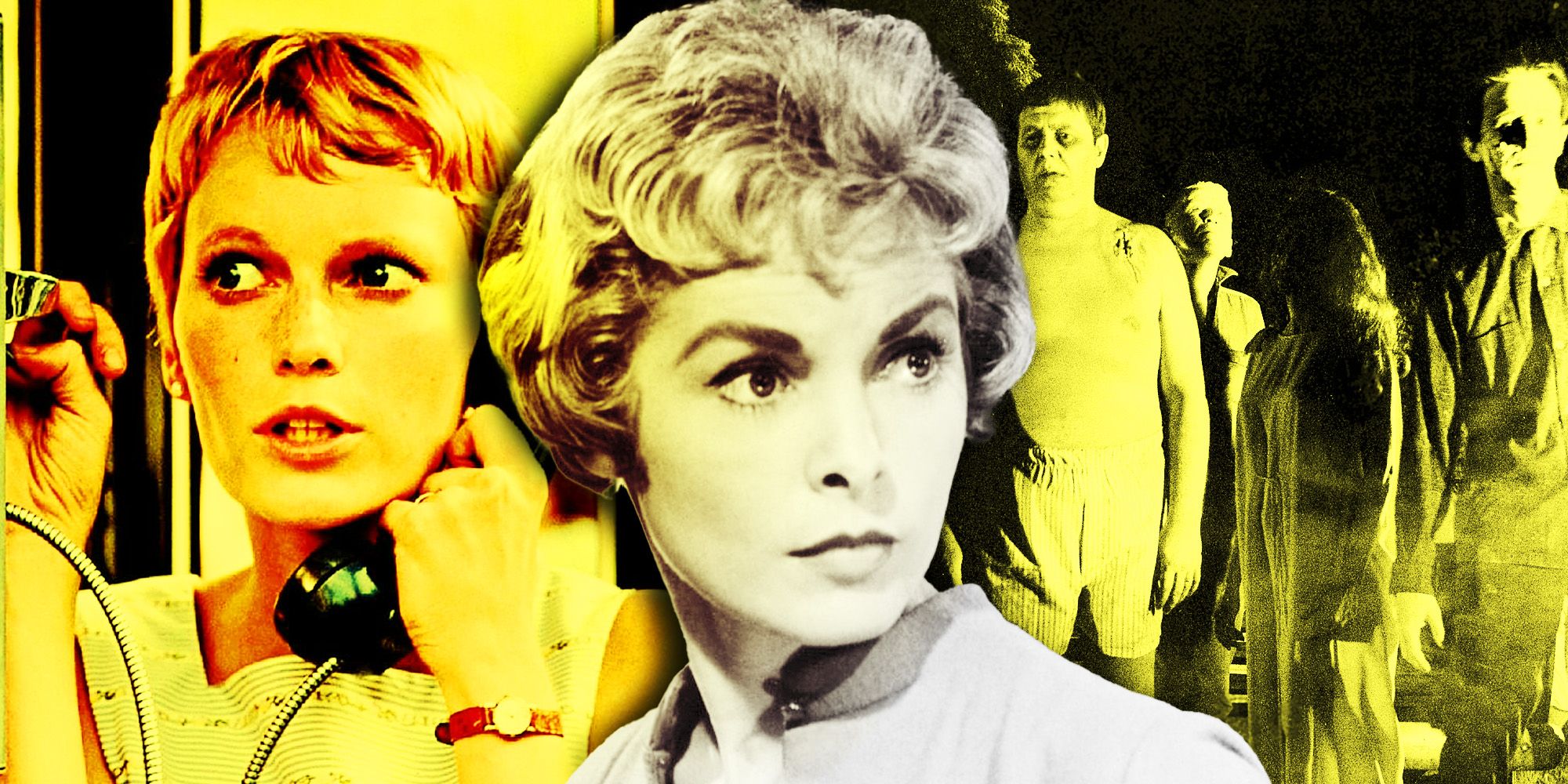
In an essay for Variety, King shared his thoughts and feelings on some classic horror movies and the ones that have scared him the most. King explains that he thinks the “scariest” movie will vary according to the viewer’s age, as when he was 16, it was The Haunting, but as an adult, The Blair Witch Project took the spot. However, King concludes that the scariest horror movie is George A. Romero’s “low-budget masterpiece” Night of the Living Dead, which was key to the development of the zombie genre – except for its biggest trend.
George A. Romero's Night Of The Living Dead Never Says The Word “Zombie”
Night Of The Living Dead Gave Its Creatures A Different Name
Night Of The Living Dead was directed by George A. Romero and co-written by him and John Russo, and it takes viewers to Pennsylvania, where reanimated, flesh-eating corpses begin to attack the living and turn them into creatures like themselves. Night Of The Living Dead follows Barbra (Judith O’Dea) and Ben (Duane Jones), who take refuge in a farmhouse where they come across Harry (Karl Hardman) and his wife Helen Cooper (Marilyn Eastman), along with their daughter Karen (Kyra Schon), Tom (Keith Wayne), and his girlfriend Judy (Judith Riley), with whom they do their best to stay safe.
Night Of The Living Dead is one of the most influential movies ever, and it's credited with popularizing the modern portrayal of zombies and boosting this subgenre. Many elements seen in Romero’s “ghouls” are still used in modern movies and TV shows about zombies, but it didn’t boost the biggest trend: calling them “zombies”. The word “zombie” is never mentioned in Night Of The Living Dead, and, instead, the creatures are referred to as “ghouls.”
The term “zombie” was later used by fans and critics to refer to these flesh-eating creatures.
Romero opted to name his creatures “ghouls” as he saw these flesh-eating characters as something new and different from “zombies” (via Monsters and Mad Scientists: A Cultural History of the Horror Movie). The term “zombie” was later used by fans and critics to refer to these flesh-eating creatures, and it was retroactively applied to the movie after Romero’s “ghouls” became the basis for modern zombies.
How Night Of The Living Dead Redefined Zombies
Zombies Were Different Before Night Of The Living Dead
The movie considered the first feature-length zombie movie is 1932’s White Zombie, starring Bela Lugosi. White Zombie is based on the 1929 novel The Magic Island, by William Seabrook, who was inspired by a voodoo priestess he met. Back then, the concept of “zombie” came from Haitian folklore, where a bokor (Vodou priest or priestess) could reanimate a corpse into an insensate slave. White Zombie mixed this with racial and postcolonial anxieties, but Romero’s ghouls broke the concept of “voodoo zombies.”
Related This 56-Year-Old Horror Movie Created The Zombie Rule Everyone Still Follows Nearly every zombie-centric movie, TV show, and video game religiously follows one rule, which was first introduced by a 56-year-old horror movie.
The ghouls aren’t controlled by a human nor are they brought back through the works of a human, and instead, the ghouls are reanimated as a result of radiation from a space explosion. Of course, zombies have gone through changes and additions since Night of the Living Dead came out, but the genre wouldn’t be the same without Romero’s ghouls, their origin, and their many characteristics.
Source: Monsters and Mad Scientists: A Cultural History of the Horror Movie.




COMMENTS