Jason Todd's Death Wasn't Batman's Fault, & Red Hood Knows It
Summary Judd Winick's iconic reimagining of Jason Todd as Red Hood in Batman: Under the Hood still resonates nearly two decades later.
In Winick's Batman and Robin #23, Jason Todd admits to liking trouble and reflects on his actions that led to his own death.
Red Hood's character has evolved over the years, moving beyond revenge to a more heroic portrayal, although some fans miss the original version.
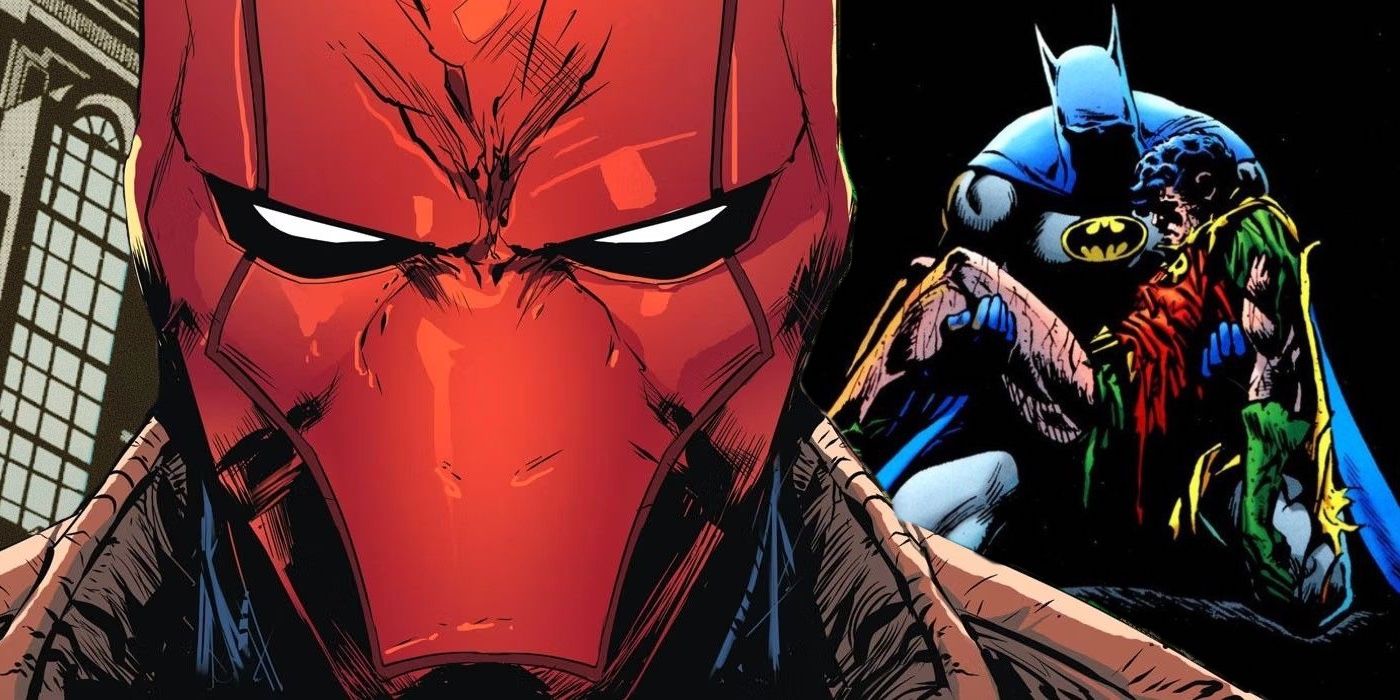
Even nearly two decades later, Judd Winick's unveiling of Jason Todd as the Red Hood in the Batman: Under the Hood storyline remains one of the most remarkable and iconic character reinterpretations. Winick not only resurrected a character but also bestowed upon him an identity that transformed the formerly despised figure into a beloved favorite among fans. Now, Winick further enriches Jason Todd's character arc by revealing the true culprit behind his demise.
In Batman and Robin #23 by Judd Winick, Guillem March, and Andrei Bressan, Jason Todd, the former Boy Wonder turned Red Hood, requests a transfer from Arkham Asylum to Blackgate Penitentiary, arguing that he's not "insane."
Relocated to Blackgate, Red Hood continues his personal war on crime, resulting in the deaths of 82 inmates and the illness of hundreds more due to his poisoning of the cafeteria food. While being transported back to Arkham, Jason, handcuffed, candidly confesses, "I like trouble," and reflects on how this inclination explains his actions and his premature death at the hands of the Joker.
1:57 Related "Man, I Hate Him": Red Hood Admits He Hates the DCU's Most Beloved Superhero There isn't a soul in the DCU that hates this hero... Well, except Red Hood, who proves that even the most likable heroes have at least one hater.
“I Like Trouble”: Jason Todd Admits Him Liking Trouble Got Him Killed By the Joker
After Jason confesses his fondness for trouble, he proceeds to list off the series of consequences resulting from this inclination, citing his time in juvenile detention, his transition into vigilantism, his transformation into the Red Hood, and, most notably, his premature death. Despite his sardonic tone, this moment represents a rare instance of Jason accepting responsibility for his actions, particularly regarding his demise. While he has often shifted blame to the likes of the Joker (rightfully so) or Bruce Wayne, here Jason takes full ownership for his death, whether that ownership is warranted or not.
This scene is particularly intriguing because it portrays Jason with an exceptionally nonchalant attitude towards his own death. Given that he is still in the early days of his Red Hood persona, one might anticipate his feelings about his demise to be raw and turbulent, preventing him from discussing it in such a devil-may-care manner. This demeanor stands in stark contrast to the emotionally volatile Jason depicted in Batman: Under the Red Hood and is more akin to the Jason seen in more current comics, who has had more time to heal and come to terms with his death.
Related Red Hood vs. Damian Wayne: DC’s Darkest Robins Face Off in Destiny-Defining Confrontation The fate of DC's darkest Robins will be decided as Jason Todd and Damian Wayne face off against each other in DC's latest Black Label title.
Red Hood Has Come a LONG Way Since Judd Winick’s Batman and Robin Run
Close
Red Hood has undergone significant character development since Winick’s Batman and Robin run. In Winick’s run, Red Hood still leaned heavily towards the "anti" side of "anti-hero," as evidenced by his "I like trouble" attitude. However, recent interpretations of the character portray him in a more heroic light, with motivations that extend beyond merely seeking revenge against the Joker and Batman. This shift presents an interesting contrast, and despite the commendable character growth over the years, many fans can't help but feel nostalgic for Judd Winick’s version of Red Hood.
Batman and Robin #23 is available now from DC Comics!




COMMENTS