Civil War's Real-Life Footage Use & Controversies Explained
Summary Real footage in "Civil War" adds authenticity but controversy arises from who is credited in the end.
Director Alex Garland defends the film's political undertones being implicit and open to interpretation.
Critics question the use of real-life footage from controversial figures in the production credits.
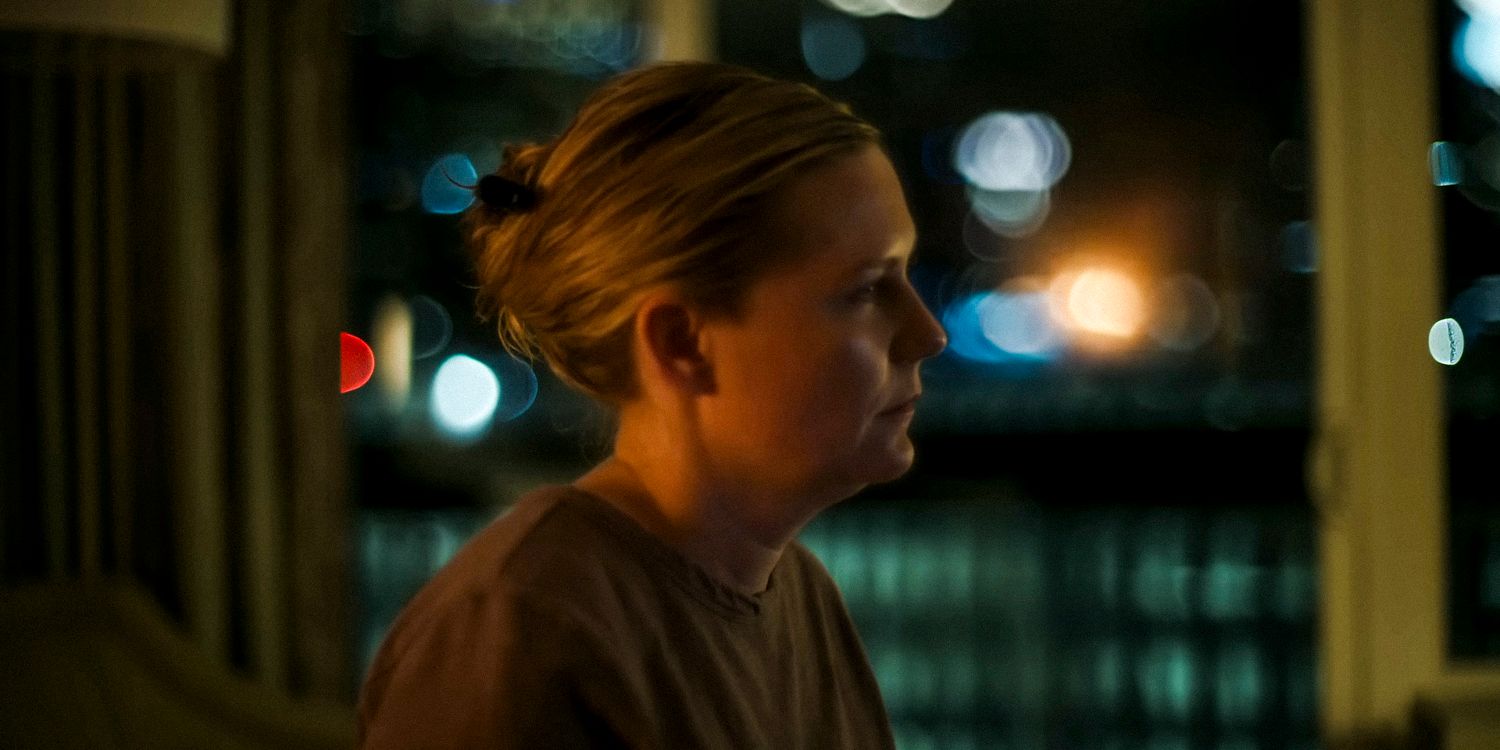
A24's latest film, Civil War, has been generating controversy for its use of real-life footage. The movie takes place in a future America torn apart by civil war, where the states have fractured into different factions. Among them are the revolutionary Western Forces, including California and Texas, who want to secede from the country and assassinate the authoritarian President. They are up against the Loyalist States, commanded by the President himself, now in a third stolen term in office. Civil War, which has gotten divisive reviews, stars Kirsten Dunst, Cailee Spaeny, Wagner Moura, and Stephen McKinley Henderson as four journalists covering the events.
The political thriller follows the group of journalists, who enter the heart of Washington, D.C. and the White House to cover the war. Civil War's director Alex Garland has responded to criticism about the film allegedly being apolitical, arguing that its political undertones are left implicit and open to interpretation. A new controversy, however, has been brewing regarding the real-life footage used in Civil War to give the film a gritty aesthetic and a deeper sense of realism. These issues concern the source of the footage and the people the makers have thanked for it.
Related Civil War Ending Explained Alex Garland's latest, Civil War, has an explosive ending that leads to multiple deaths. We break down the film ending's biggest moments and more.
It's Hard To Place The Specific Events
Close
Civil War splices real footage from recent American history within the narrative. This editing choice makes the film feel more immersive, authentic, and realistic. It is not uncommon for films to intersperse real footage in their run time. Most famously, for instance, Forrest Gump kept splicing real footage from American history to highlight its aim of telling the story of 20th-century America through the lens of its titular protagonist. Director Alex Garland, however, only uses a few seconds of such footage at a time in Civil War, with most of it being hard to recognize or specifically place.
It's Because Of Who The Producers Thank In The End Credits
Image via A24
Some of Civil War's real footage use has become controversial due to who its makers thank in the end credits of the film. In particular, several viewers have criticized the producers for using archive video footage supplied by the far-right influencer Andy Ngo, and for thanking The Atlantic journalist Helen Lewis. Andy Ngo is the author of Unmasked: Inside Antifa's Radical Plan to Destroy Democracy, which the LA Times has called "dishonest" and "trolling, not reportage". Jacobian has called him "the most dangerous grifter in America" and has illustrated instances of him sowing harassment and violence against his personal targets on the left.
Helen Lewis, meanwhile, is known for writing several pieces that are deeply harmful to transgender individuals. Specifically, she has opposed medical transitions and has been a fierce critic of young people transitioning. Her opinions have been seen as opposing transgender rights and promoting a conservative conception of gender theory. The decision of Civil War producers to cite Andy Ngo and Helen Lewis has been widely seen as an endorsement of their views and as granting legitimacy to them, while others argue that it is merely a legal requirement to credit individuals for footage used.
Related Civil War: Who Watched A24's New War Movie Based On Politics Revealed In New Survey A new survey breaks down who is watching the Alex Garland-directed A24 movie Civil War based on their political affiliation and ideology.




COMMENTS