9 Biggest Details The Ministry Of Ungentlemanly Warfare Changes About The True Story
The following contains spoilers for The Ministry of Ungentlemanly Warfare, now playing in theaters
Summary Several details about Operation Postmaster were modified in The Ministry of Ungentlemanly Warfar, including how long the operation took to fully complete.
Certain characters were created for the film or had their roles in the SOE tweaked to fit the film's narrative
The climax of the film exaggerates the action of Operation Postmaster.
The Ministry of Ungentlemanly Warfare is based on a true life story from World War II, but changes some specific details for the sake of the narrative. The film follows one of the missions taken by the British secret organization known as the SOE, with major implications for the state of the war against the Axis Powers. Codenamed Operation Postmaster, the plan to destroy a crucial part of the German U-Boat supply chain helped ensure the Atlantic Ocean became safer to traverse for Allied Forces.
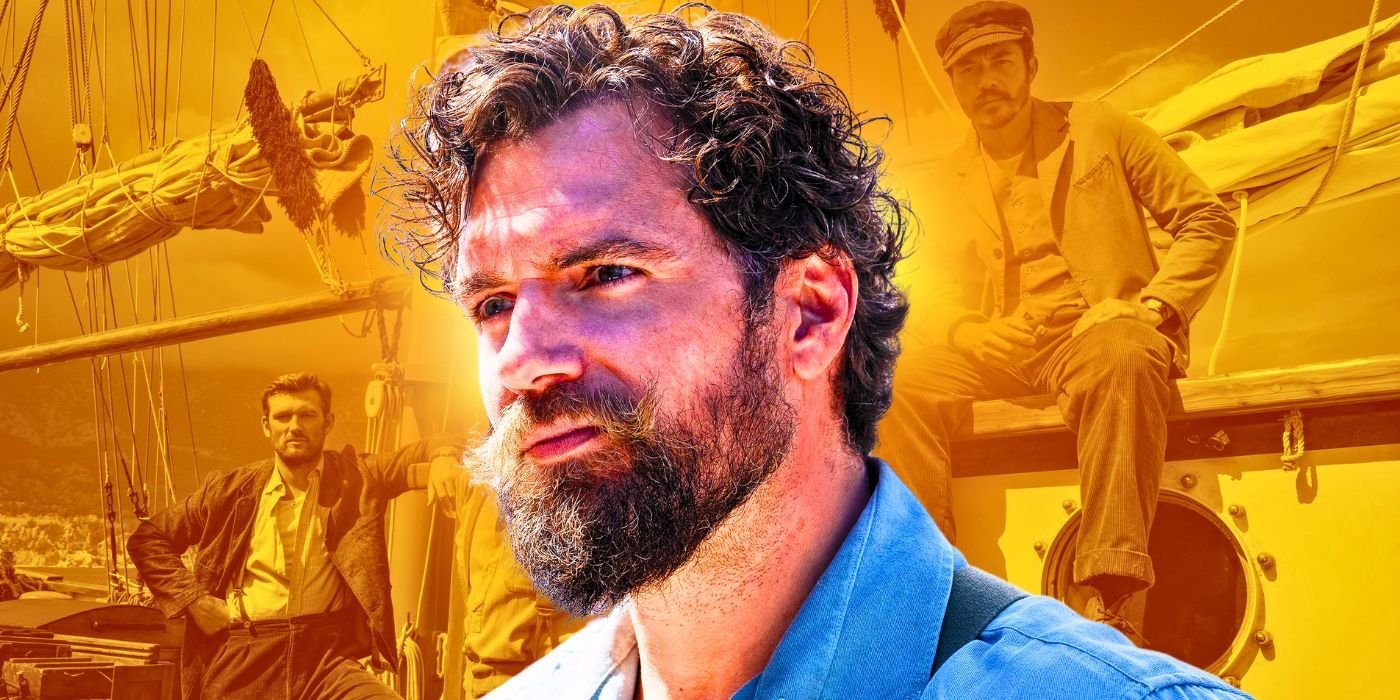
The mission largely falls to a group of soldiers led by Gus March-Phillips. Played by Henry Cavill in the Guy Ritchie directed film, March-Phillips and the film's characters work alongside spies and local militias to disrupt the Nazi war machine at a critical junction in World War II. The film is accurate in the broad strokes but does reimagine many specific characters and details about the mission. The result is a film that embraces a bombastic tone that is somewhat different than the real-life mission's more subtle success. Here's how The Ministry of Ungentlemanly Warfare changed details from the real-life events that inspired it.
Related The Ministry Of Ungentlemanly Warfare Ending Explained Guy Ritchie's explosive WWII action comedy The Ministry of Ungentlemanly Warfare examines the first ever special forces mission.
9 Operation Postmaster Was Far From The SOE's Only Mission
The SOE Was Crucial To The Defeat Of The Nazi Forces
Close
Operation Postmaster serves as the direct inspiration for The Ministry of Ungentlemanly Warfare, but that mission was far from the only secure plan carried out by the SOE. The Special Operations Executive was formed in 1940, and coordinated many missions against the Axis forces. The Ministry of Ungentlemanly Warfare portrays the group as a secretive force within the British military that operates with only handful of figures. However, the real SOE was a much larger organization.
The organization united several established secretive departments of the government and military before the war fully broke out, and ultimately utilized over 13,000 agents and soldiers over the course of the conflict. The leadership of the group also shifted over time, with early leaders like Hugh Dalton removed from power over potential abuses of wiretapping capabilities. While The Ministry of Ungentlemanly Warfare portrays Brigadier Gubbins as a major leader and mind behind the operation, Gubbins wouldn't become head of the SOE until 1943, a year after Operation Postmaster was completed.
8 Operation Postmaster Didn't Just Take A Few Weeks
The Mission Took Months To Carry Out In Full
Close
In The Ministry of Ungentlemanly Warfare, Operation Postmaster is portrayed as taking place on an expedited timeline. With other British military leaders voicing their support for a withdrawal from Europe, Churchill and Gubbins are forced to rely on March-Phillips and his group to get the mission accomplished in a matter of weeks. However, the real life Operation Postmaster took longer to accomplish. Although Gus March-Phillips and his fellow soldiers sailed the Maid of Honour to the Spanish colony as portrayed in the film, their trip to Fernando Po began in August of 1941.
The actual events of Operation Postmaster didn't take place until January of the following year. The scheme to steal the German boats, portrayed in the film as a desperate last-minute shift in planning, was instead a more concentrated effort that required the help and planning of SOE. agent Richard Lippett. While the frantic shifting of plans lends the climax of The Ministry of Ungentlemanly Warfare a sense of urgency, it is a tweaking of real events to add more tension to the film.
7 Ian Fleming Didn't Work Directly For Brigadier Gubbins
Ian Fleming Worked For The SOE In A Different Capacity
Close
Ian Fleming appears in a minor role in The Ministry of Ungentlemanly Warfare. The future James Bond creator was indeed a part of the SOE apparatus during World War II, and would later use those experiences to help inspire his eventual spy novels. One of the operations he commanded with the organization even shared a name with an eventual James Bond adventure — Goldeneye.
However, while Fleming did work with the SOE initially as a personal assistant, it was under the command of Rear Admiral John Godfrey instead of Brigadier Gubbins. It was Ian's brother Colin who worked more directly under Gubbins, as he was commissioned by the Brigadier to take part in secretive missions in Greece and Norway. Fleming did cite figures like March-Phillips as direct inspirations for James Bond, so it makes sense why the film would involve the author and tweak his exact work in the organization as a means of fitting him into the story.
Related Does The Ministry Of Ungentlemanly Warfare Have A Post-Credits Scene? Henry Cavill's war movie The Ministry of Ungentlemanly Warfare looks like a possible franchise play, and here's whether there is a post-credits scene.
6 Several Heroes Were Made Up For The Film
How Guy Ritchie's Film Invented The Ministry of Ungentlemanly Warfare's Best Spy
Close
Many important heroes in The Ministry of Ungentlemanly Warfare are based directly on real people, including Gus March-Phillipps, Anders Lassen, Geoffrey Appleyard, and Marjorie Stewart. However, there are some notable characters in the film who were invented for the movie. Among them were Mr. Heron and Freddy Alvarez. Freddy, played by Henry Golding in the film, is an explosives expert who is one of the five men March-Phillips demanded be included in the group.
Given the importance of explosives to the ultimate plan to steal the German boats, it makes sense to simplify the process by including an explosives expert to the cast. Mr. Heron, meanwhile, was a secret agent working for the British government in Fernando Po under the guise of a German-friendly business owner. Mr. Heron is one of the film's most important characters, with his efforts to assist the group proving invaluable to the mission's success. In reality, S.O.E agent Richard Lippett was involved in the mission and carried out minor spycraft assignments as part of the preparation for Operation Postmaster.
5 The Film's Big Bad Is A Fictional Nazi Commander
The Film's Horrifying Nazi Antagonist Didn't Actually Exist
Close
Played by Til Schweiger, Heinrich Luhr is the big bad of The Ministry of Ungentlemanly Warfare. The cruel Nazi commander of the German forces on Fernando Po, Luhr is portrayed as the most dangerous singular threat to the mission. Marjorie Stewart is specifically assigned to the mission to seduce and distract Luhr, and is ultimately the one to dispatch the vicious Nazi in the film's climax.
Heinrich Luhr was created for the film. In real life, the Nazi commander at Fernando Po was Captain Specht. The Ministry of Ungentlemanly Warfare introduced a more present villain to serve as a stand-in for the Nazi war machine, giving the audience a direct character to openly despise and root against in the film. The decision to introduce a singular character to represent the overall threat of the German forces makes sense from a storytelling level, even if it is a departure from the true events that inspired the film.
4 Marjorie Stewart Wasn't A Super Spy
Marjorie Stewart Likely Wasn't A Part Of Operation Postmaster
Close
Marjorie Stewart is an interesting example of how The Ministry of Ungentlemanly Warfare deviates from true-life events for the sake of the story. In The Ministry of Ungentlemanly Warfare, Marjorie is portrayed as an agent working with the SOE who is sent undercover to Fernando Po to seduce and distract Heinrich Luhr. She's shown to be a very capable spy, even showcasing an impressive amount of skills with firearms.
Marjorie Stewart did exist in real life, becoming an actress after the war. She did work with the SOE on missions and (as revealed in the text-based epilogue for the film) married Gus March-Phillips. However, there has never been any clear indication that she took part in Operation Postmaster. Coupled with the embellishment of the parties thrown on Fernando Po around the time of Operation Postmaster, Marjorie's part in the true story is less pronounced than what is portrayed in the film.
Related The Ministry Of Ungentlemanly Warfare Is Continuing A Bizarre 5-Year Guy Ritchie Streak Guy Ritchie is one of the most successful British filmmakers of the past few decades, yet his recent releases have all followed a surprising pattern.
3 There Wasn't A Single Huge Party To Distract The German Troops
Two Smaller Dinner Parties Happened Instead Of A Bombastic Costume Party
Close
Building to the climax of The Ministry of Ungentlemanly Warfare, Marjorie and Mr. Heron arrange for a massive costume party for the German and Spanish officers as part of a distraction. Coupled with a party for many of the German sailors at the same time, the idea is to distract the majority of the island's forces while the plan goes through. In reality, although parties were common, there wasn't a huge costume party that distracted much of the German leadership. In reality, there were two parties that played important roles in Operation Postmaster.
Days before the plan went into motion, Richard Lippett attended a party attended by German officers. He was able to use this to his advantage, gaining intel about the German forces and their numbers on the boats. During the operation itself, Lippett arranged a much smaller dinner party attended by a handful of Spanish forces and two German commanders, a far cry from the colorful and massive costume party of the film. This is another example of the true life events inspiring a more visually compelling sequence for The Ministry of Ungentlemanly Warfare.
2 The Film's Action-Heavy Finale Didn't Happen
The Spy Mission Was Far Less Destructive Than The Ministry of Ungentlemanly Warfare's Finale
Close
The climax of The Ministry of Ungentlemanly Warfare is focused on the mission to steal a crucial pair of German boats. The sequence is a bloodbath, with the heroes dispatching dozens of German sailors while taking command of the boats. Even their escape is a firefight, as the distracted Nazi soldiers are alerted to their actions and attempt to shoot them down before they can escape the harbor. This gives the film a bombastic final battle sequence. In real life, Operation Postmaster was a much quieter affair.
The boats were able to escape the harbor unscathed, with a handful of German sailors captured, not killed. The soldiers at the harbor who did see them departing into open waters didn't try to stop them. Instead, the artillery on the island became distracted firing on non-existent planes, believing the explosions had been caused by an aerial attack. The massive gun battle that plays out in The Ministry of Ungentlemanly Warfare was a fabrication for the film, spicing up the events of the mission for the big screen.
1 The Ministry's Final Fates Are Left Out Of The Film's Epilogue
Most Of The Heroes Of The Ministry of Ungentlemanly Warfare Didn't Survive World War II
Close
The final moments of The Ministry of Ungentlemanly Warfare are dedicated to recapping some of the events that eventually befell the heroes of the film. However, the epilogue leaves some important details out — specifically that many of the film's heroes didn't live to see the end of the war. Gus March-Phillips died during Operation Aquatint, a thwarted raid on the French coastlines in 1942. Graham Hayes (the inspiration for Henry Hayes in the film) also took part in the raid and survived the initial chaos, but was eventually captured by the Germans and executed in 1943.
That same year, Geoffrey Appleyard was declared missing and presumed dead during the Allied invasion of Sicily. Alan Ritchson's Anders Lassen survived until the final weeks of the war. Anders was mortally wounded in April of 1945 during Operation Roast. His refusal to risk the lives of his squad posthumously earned him the Victoria Cross, the highest military award in the British Armed Forces. Their fates underscore the costly and heartbreaking sacrifices made during World War II, but they were likely left out of The Ministry of Ungentlemanly Warfare so that the film could end on a more uplifting note.





COMMENTS