6 Things That Happen In Every CSI Episode
Summary CSI set the standard for crime procedurals with iconic elements like Grissom's one-liners and emphasis on evidence gathering at crime scenes.
The show innovated by subverting familiar tropes and using them to surprise the audience, while still maintaining a sense of security for viewers.
While CSI may have exaggerated the efficacy of DNA evidence, it remains a classic in the crime procedural genre with a lasting impact on television.
CSI: Crime Scene Investigation is a tried and true part of the procedural genre, and like any good procedural there are plot points, actions, and structural elements that appear in every episode. The great shows that have come to define crime procedurals include CSI and Law & Order, and both shows were so successful that they spun off into sprawling franchises with multiple television shows within the same universe. However, no matter what version of CSI the audience is watching, there are constants across the board that make the show iconic and popular to this day.
Part of the draw of shows like CSI was that the investigations took precedence over the character arcs and development, so it was easy to jump into any episode throughout the seasons.
While CSI did things better than other crime procedurals, it wasn't immune to falling victim to the pitfalls of repetition and formulaic storylines. However, it's true that CSI invented many of these tropes, and they have become classics for a reason. Audiences respond well to familiar plotlines and when characters behave the way they're expected to within the confines of the series. Part of the draw of shows like CSI was that the investigations took precedence over the character arcs and development, so it was easy to jump into any episode throughout the seasons.
One of the best things about utilizing tropes and formulas is that once there is a precedent that they will always occur, it's surprising to the audience when they are subverted. Some of the best episodes of CSI flipped the script and introduced innovative plot devices. While there are TV shows that should not have been crime procedurals, CSI is not one of them. There's a sense of security in knowing CSI will be the same no matter what, and that the characters and plots can be counted on to be wrapped up at the end of forty-five minutes.
Related CSI Avoided 1 Overused Crime Procedural Trope (& Was Better For It) Most crime procedural rely on an overused trope. CSI was a stronger series because it did not rely on the same ideas as others in the genre.
6 Grissom Delivers A One-Liner
Gil Grissom led the original CSI team to victory time and again
Close
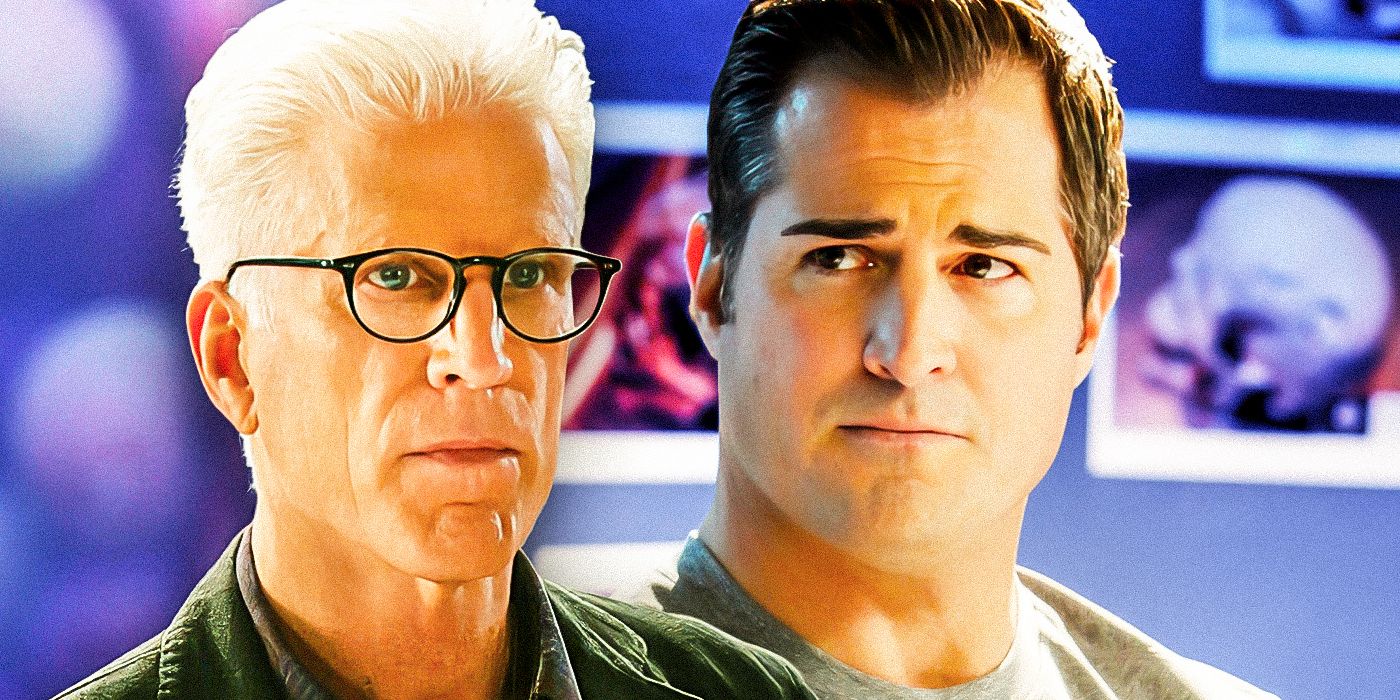
Gil Grissom (William Petersen) is the best character in the CSI universe because, in many ways, he's the person who started it all. He was the night shift supervisor of the Vegas crime lab and was a firm yet rational leader. As a scientist, Grissom was ruled by logic above all else, and this is what drove his investigative style. He was the primary protagonist of CSI during his tenure, even though it was an ensemble piece. This meant that for as long he was on the show, he would deliver at least one quippy one-liner per episode.
This might have been in response to evidence at a crime scene, the bad attitude of a suspect, or when the investigation was stalling, but it would always be memorable. Snark and sarcasm were typical when coming from the mouths of the CSIs because there aren't many other ways to cope when dealing with tragedy and violence. Some characters, like Sara Sidel (Joja Fox), were led by their gut and intuition, to the point of letting their emotions get in the way. Conversely, others relied on letting their work do the talking and deflecting from how the case affected them.
5 A Blurry Image Is Enhanced
Part of the larger trope of "The CSI Effect"
Close
Much of what most people know about forensics and criminal investigations they learned from television, and CSI influenced how these things are portrayed. The "CSI effect" refers to audience members and other crime shows implementing the tactics of CSI into their lives and plotlines. While some parts of CSI stayed true to how an investigation would unfold in real life, it's difficult to condense an entire case in a single episode without stretching reality. Many of the techniques used by characters on the show were either completely fabricated or their processes were sped up to the point of superhuman ability.
One of the most egregious errors is the ability to zoom in on a pixilated image and enhance it so the blurred subject becomes crystal clear.
Sending a sample away to the lab to be analyzed likely takes longer than a night, and no number of harsh words from Gil Grissom would change that. One of the most egregious errors is the ability to zoom in on a pixilated image and enhance it so the blurred subject becomes crystal clear. Unfortunately, this is not how pixels work, but it gave a false impression of how far technology had progressed and what police labs were capable of. Despite this, it was a standard element of a CSI episode that made finding suspects easier.
4 The CSIs Gather Evidence At The Crime Scene
The first scene of the show after the cold open
Close
Almost every television show, especially those airing on network TV, incorporates a cold open to introduce the audience to the world of the show and prepare them for the episode. For CSI, these cold opens frequently included the victim of the crime that would be investigated, and hinted at what the story would be about. Following this, there would be a hard cut to the CSIs at the scene, combing for evidence and commenting on the environment and state of the body. Most crime shows have the characters visit the crime scene at one point, but it's vital in CSI.
As CSIs, the characters thrived on evidence, and gaining context at the crime scene was a huge part of their work. While the analysis back at the lab propels the remainder of the story, finding the first pieces of evidence in the beginning is necessary. Sometimes, if the characters have hit a wall, they'll return to the scene to find evidence they might have overlooked, and these missing pieces are often what break the case open. If they're lucky, some witnesses found the body or saw something disturbing, and they can be interviewed to jumpstart canvassing and talking to suspects.
Related Every CSI Show, Ranked Worst To Best The CSI universe as a whole has been largely successful since its debut back in 2000, but some entries in the franchise are better than others.
3 A Suspect Refuses To Cooperate
Stalling the investigation or leading the CSIs down the wrong path
Close
Interesting suspects and famous guest stars were a hallmark of CSI, as seen in CSI's best episodes, which included compelling actors outside the immediate team. Another similarity to Law & Order was that CSI had many actors on the show in small roles who went on to achieve great notoriety. CSI was such a fixture of television that the director, Quentin Tarantino, guest directed a two-part event that is considered one of the strongest episodes, visually and narratively. However, among the guest stars, if they played a suspect, it was likely they were going to make things difficult for the team.
Despite their innocence, a witness' connection to crime made them uncooperative when the CSIs needed it most.
A show like CSI thrives on conflict, and one of the tenets of the series that came from Gil Grissom was that "evidence never lies." The other side of this treatise is that people always do. Though sometimes CSI shook up Grissom's worldview and included characters with genuinely pure hearts and strong moral compasses, more often there were seedy figures who operated in the underbelly of society. However, they weren't necessarily the killers or perpetrators, only witnesses to the crimes. Despite their innocence, a witness' connection to crime made them uncooperative when the CSIs needed it most.
2 A Piece Of Evidence Is Found At The Last Minute
Seamlessly fitting the missing pieces together to solve the case
Close
CSI is famously set in Las Vegas, and the newest iteration of the franchise, CSI: Vegas, has continued the trend, exploring all the crimes the city has to offer. Hopefully, more CSI franchise characters will be in CSI: Vegas in the coming seasons, but until then, it's fun to look back at how Vegas has been characterized across the seasons and multiple series. The series was set in this city because it has a cultural reputation for being a place where inhibitions are lowered. While this might not always be true, it led to many crimes of passion or otherwise.
Vegas has its strong points in helping the team with their investigations but it also occasionally hindered them. Evidence got lost or overlooked on many occasions or the evidence was all there, but the CSIs needed to look at it from a different angle. There was almost always a timing element, so the characters felt the pressure of the clock running out before they caught their perpetrator. Since the city is so large and has so many places to hide, the CSIs worked until the last moment to ensure they looked at the evidence from every angle.
Related These 8 Years Were The Best Of The CSI Franchise The CSI universe has been on the air since 2000 with over 800 episodes across five shows, but these eight years were the best of the franchise.
1 DNA Evidence Saves The Day
This is not the piece of damning evidence that CSI makes it out to be
Close
Similar to the false promise of the "CSI effect," DNA evidence and the reliance on that type of evidence has been blown out of proportion by CSI: Crime Scene Investigation because of how often it's what solves a case. A good portion of viewers hadn't heard of using DNA and fingerprinting to catch criminals before watching the series, and from watching the show it could be assumed that all it takes is DNA to close a case. Unfortunately, a criminal investigation is rarely so simple and can take many wrong turns even with hard evidence.
Since science has progressed, it's unlikely that a lab or computer analysis would make a mistake regarding DNA. However, it's not impossible, but since the CSIs are meant to be held to be the most intelligent people, it's painted as if they can do no wrong.
There must be much more evidence and substantial proof to ensure that the case will hold up in a court of law other than DNA because that could be chalked up to being circumstantial. Since science has progressed, it's unlikely that a lab or computer analysis would make a mistake regarding DNA. However, it's not impossible, but since the CSIs are meant to be held to be the most intelligent people, it's painted as if they can do no wrong. However, since the series is fictional, the treatment of evidence must be approached with a certain suspension of disbelief.





COMMENTS