Tales of Kenzera: ZAU Review: "An Honest & Necessary Conversation About Grief"
Summary Refined metroidvania gameplay mechanics are appealing.
Story is emotional and deep, making a memorable experience.
Conversation about grief is honest and helpful for those also experiencing it.
Tales of Kenzera: ZAU is a new game that explores the depths of grief, a topic often avoided in and outside of games. Published by EA Originals, Electronic Arts’ indie-focused label, Tales of Kenzera is a project born out of Surgent Studios’ Abubakar Salim’s own journey through grief. The metroidvania was announced at The Game Awards 2023 by Salim himself, who shared a portion of his story and how the game came into being. Tales of Kenzera: ZAU is an homage to Salim’s late father, Ali Abubakar, who died over 10 years ago from cancer.
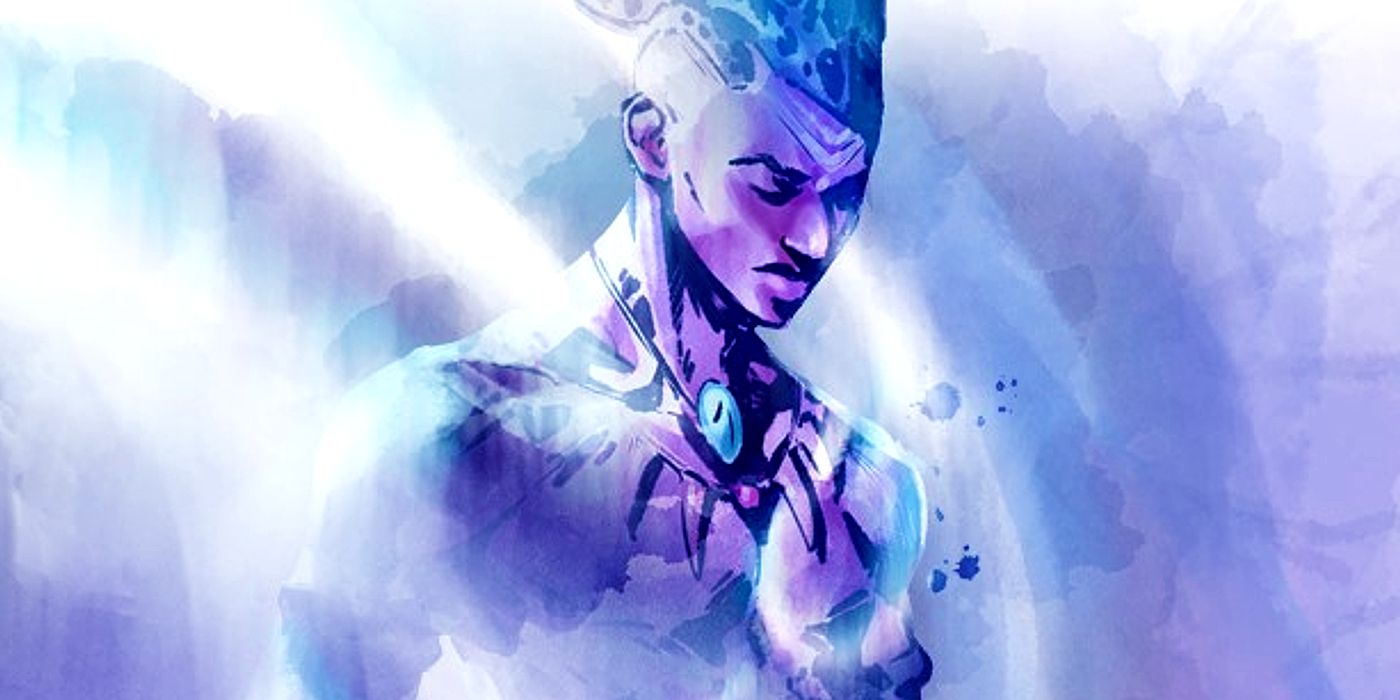
Four years ago, Salim decided to make a game about that loss as a healing mechanism. The title is centered around the spiritual shaman named Zau who, like Salim, lost his father. The jist of the plot is that Zau makes a deal with Kalunga, the god of death, to guide three ancient spirits to the afterlife in exchange for the revival of his father, who he endearingly calls “baba.” This story is told through metroidvania-driven gameplay, which guides Zau to the far reaches of Kenzera as he meets new people, who assist him in his journey toward healing.
Tales of Kenzera: Zau Pros Refined metroidvania gameplay mechanics
Story is emotional and deep
Conversation about grief is honest and helpful Cons Enemy variety is on the low end
Start of the game feels a bit slow
Tales Of Kenzera: ZAU’s Metroidvania Gameplay Is Fast & Fluid
Game Doesn’t Reinvent The Wheel, But Excels At Making Itself Unique
Close
Tales of Kenzera: ZAU is a supreme metroidvania and already one of the best of 2024. The title lets players control Zau with two distinct masks. The Mask of the Sun grants him incredible melee and close-combat power, while the Mask of the Moon allows him to attack enemies from a distance, and alternating between them is as simple as pressing a button. While the start of the game may feel a bit clunky when getting used to these different skill sets, by the end of the campaign, players should be executing combos seamlessly.
Related Tales of Kenzera: ZAU Preview: "Plays As Good As It Looks" Tales of Kenzera: ZAU is a gorgeous, fully realized Metroidvania steeped in double meanings, vivid colors, stellar gameplay, and incredible music.
Tales of Kenzera: ZAU's skill tree present in the game is somewhat simple, but it offers just enough options to keep players entertained while they progress and gain more points to invest. Players can power up their regular attacks, boost the range and damage of their ultimates, and even gain unique skills, such as the ability to deflect projectiles. The combat of the game is also rather simple, but it accomplishes its purpose: players slowly master the techniques as they are presented with more challenges. Initially, combat sequences may seem a little scarce in comparison to other metroidvanias.
Later on, combat becomes ever more frequent, to the point that, on occasion, it feels like a waste of time, considering the plot gets so interesting and navigation becomes more fluid. In addition to the regular combat skills that are present since the beginning of the game and those unlocked through the skill tree, players gradually obtain other abilities through progression in the campaign. These special skills help guide the story forward and represent the powers conceded by other shamans to the titular protagonist. These are the best abilities in Tales of Kenzera: ZAU, especially toward the second half.
Your browser does not support the video tag.
Moving through maps with Zau is incredibly entertaining and even the notable lack of quick-travel spots seems acceptable due to how easily he moves around. The general feeling of playing the game is fantastic and, quite honestly, it exceeds all expectations coming from a debut title from an indie studio. This is a highly refined title, especially when it comes to the fluidity of the gameplay mechanics. Near the end of Act 3 in Tales of Kenzera: ZAU, players should already be having an easy time mixing and matching their exploration and combat abilities into one single package.
Ultimately, this coincides with the game’s campaign, which sees the protagonist going through the stages of grief and, by doing so, gaining more power. Even if the challenges to overcome become progressively tougher – be they in terms of combat or exploration – Zau is also growing more accustomed to himself and his surroundings. There is always some poetry within the blending of how gameplay mechanics evolve with the story, and Tales of Kenzera: ZAU does this with excellence. The game doesn’t reinvent the wheel with its gameplay, but it sets itself apart from other metroidvania entries all the same with its spin on grief as a gameplay mechanic.
Tales Of Kenzera: ZAU’s Story Has An Honest & Necessary Conversation About Grief
Grief Isn't About Denying One's Emotions
Close
While the gameplay aspect is great – though it could use some work better distributing combat through maps and seeing more enemy variety – what really makes Surgent Studios’ debut title special is the story that it weaves. This video game offers players an honest and necessary conversation about grief. This is one of the emotions we all will experience in our lifetime and, truthfully, no one really processes this without some bumps in the road. Tales of Kenzera: ZAU knows that and blends it into its storytelling.
After recently losing his father, Zau needs to pick up his things and accomplish his duty as a spiritual shaman – something that he is not entirely prepared for. The way that grief and its multiple stages - including denial, anger, and depression - are treated within the game serve to show that it is okay to not be okay, and the first step to healing is to allow oneself to feel whatever one needs to feel. These ups and downs accompany Zau during his duties, and it is only natural that they should.
Tales of Kenzera: ZAU’s campaign is set between two different worlds with an overlapping story about death, loss, and journeying through the depths of grief. The main quality of how grief is approached here is that, despite how dark and sad things become, the game always reminds the player to remember the departed with tenderness. Throughout the map, they will encounter several collectibles that have Zau mentioning special moments or teachings from his father. It reinforces the idea that this is not about getting past those who departed but keeping their memory alive as beautifully as possible.
This story is deeply emotional and reflective, and a big part of that is due to its fine writing and its impactful soundtrack, orchestrated by Nainita Desai.
Final Thoughts & Review Score
4/5
The way Salim and his team translated his grieving process into the story and its gameplay is remarkable, and it is sure to strike a chord with anyone who has ever lost a loved one. It is a pity the game only lasts around 10 hours – a few more if the intention is to 100% all of the areas. Even with the side content the game has to offer, this feeling of settling into Zau’s abilities and how he moves inevitably makes it feel as though the game needs to be a bit longer.
Not that it isn’t a complete product; it would have been nice, though, to spend more time within the game and its universe. Tales of Kenzera: ZAU is just that inviting even with its heavy subject matter, such that players want to continue to experience heartfelt and responsible stories enveloped by a beautiful world design, memorable soundtrack, and delectable gameplay.
Screen Rant was provided with a PC code for the purpose of this review.





COMMENTS