New Splinter Cell Game Upgrades One Major Feature, According To Leaks
Summary Ray tracing in the Splinter Cell remake will elevate stealth gameplay by introducing new detection risks like real-time reflections.
The remake may bring back HUD elements to monitor player visibility, or rely on visual cues like in the last two titles.
Enhanced raytraced audio will add realism by tracing sound waves, creating immersive reverberation and echoes for stealth tactics.
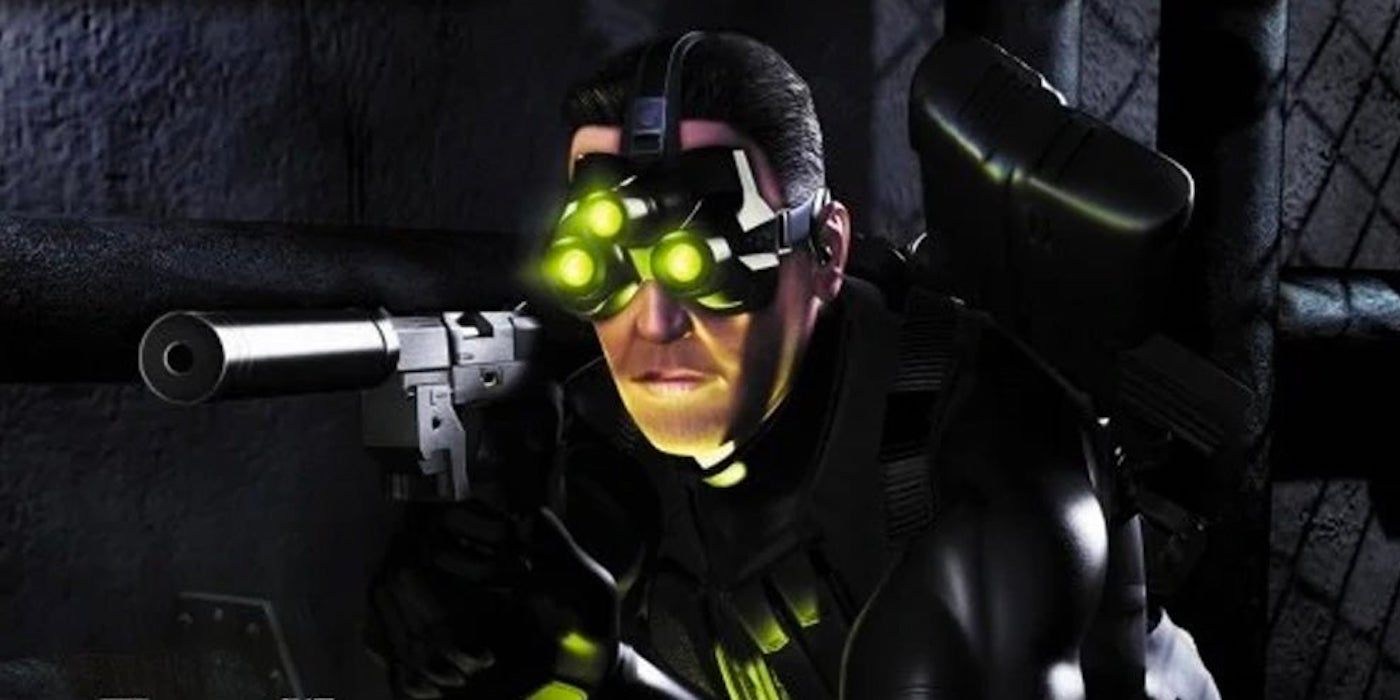
Ubisoft Toronto's Splinter Cell remake is reportedly upgrading one major feature that will not only enhance the game's visuals but also make its core stealth more challenging. The remake of the beloved 2002 title was announced in December 2021, over eight years since the last entry in the franchise Splinter Cell: Blacklist underperformed commercially and caused the series to go dormant outside of the series' protagonist, Sam Fisher, appearing in other Tom Clancy series such as Ghost Recon or Rainbow Six.
With the exception of some concept art and a developer video to celebrate the series' 20-year anniversary in 2022, there has been little official information surrounding the remake. A reliable leaker and data miner, Visceral, took to X to confirm that the game will have some pretty cool features thanks to ray tracing.
The original Splinter Cell showcased then game-changing dynamic lighting, with players able to shoot out lights and create their own paths to navigate through environments undetected, and with the enhancements to in-game lighting mechanics in recent years it shouldn't come as a surprise that the remake would look to develop this further.
How Will Ray Tracing Enhance The Splinter Cell Remake's Stealth?
There Will Be Far More Detection Risks For Players To Consider
Close
Ray tracing is capable of simulating a variety of optical effects with real-time lighting. Whereas the original Splinter Cell games saw players shooting out lights to create darkness, or sticking to pre-existing shadows to avoid detection, ray tracing offers up a variety of further risks for them to be wary of, such as real-time reflections, so players may have to be careful when approaching enemies near windows, glass panels or mirrors as they may not get as close to them as they could in the original game without being spotted.
In the original Splinter Cell games, players could track how well-lit Sam Fisher was, but this changed in the last two titles, Splinter Cell: Conviction and Splinter Cell: Blacklist, which opted for reduced HUDs and used more in-game visual cues to monitor this. It's yet to be seen which approach the Splinter Cell remake takes.
Visceral also mentions raytraced audio being included in the game. The earlier Splinter Cell games had a sound meter, which let players track how loud they were being compared to their environments, even timing their gunshots in time with lightning in the opening mission of Splinter Cell: Chaos Theory or whistling to lure enemies into a specific location. Raytraced audio traces the path of sound waves similarly to how raytracing does with light waves to create a more immersive sound design by rendering realistic reverberation and echoes, this should enhance the mechanic that was already present in the Splinter Cell games, with players having to be more cautious about what kind of flooring they're moving across as carpeted floors made less noise than metal panels.
Hopefully, it won't be long before players get a full look at the Splinter Cell remake and see these enhancements in action. A Ubisoft Forward showcase has been confirmed for this June, with Ubisoft Toronto changing its profile picture and banners on social media to Sam Fisher's iconic green tri-lense night-vision goggles at this time, suggesting that the notoriously stealthy figure may be making an appearance.
Source: Visceral/X







COMMENTS