The Twilight Zone "Static" Episode Ending Explained
Summary "Static" is a rare happy Twilight Zone episode with a magical twist that transports a bitter bachelor back in time for a second chance.
Originally a short story by OCee Ritch, the episode highlights Beaumont's disdain for TV and nostalgia for the golden age of radio.
Despite the romantic ending, the episode serves as a cautionary tale about the dangers of living in the past and the pitfalls of excessive nostalgia.
The Twilight Zone episode "Static" is a mysterious tale about an old radio that enchants a man more than anyone realizes. Often ranked among the very best TV shows of all time, The Twilight Zone introduced a whole generation to a new brand of science fiction story-telling, a kind that felt real and of this world. Even when the plots are fantastical and dreamlike, the themes of The Twilight Zone episodes are prescient, relatable, and modern, particularly for a show that premiered in 1959. It's an unnerving look at the world that still manages to scare half a century later.
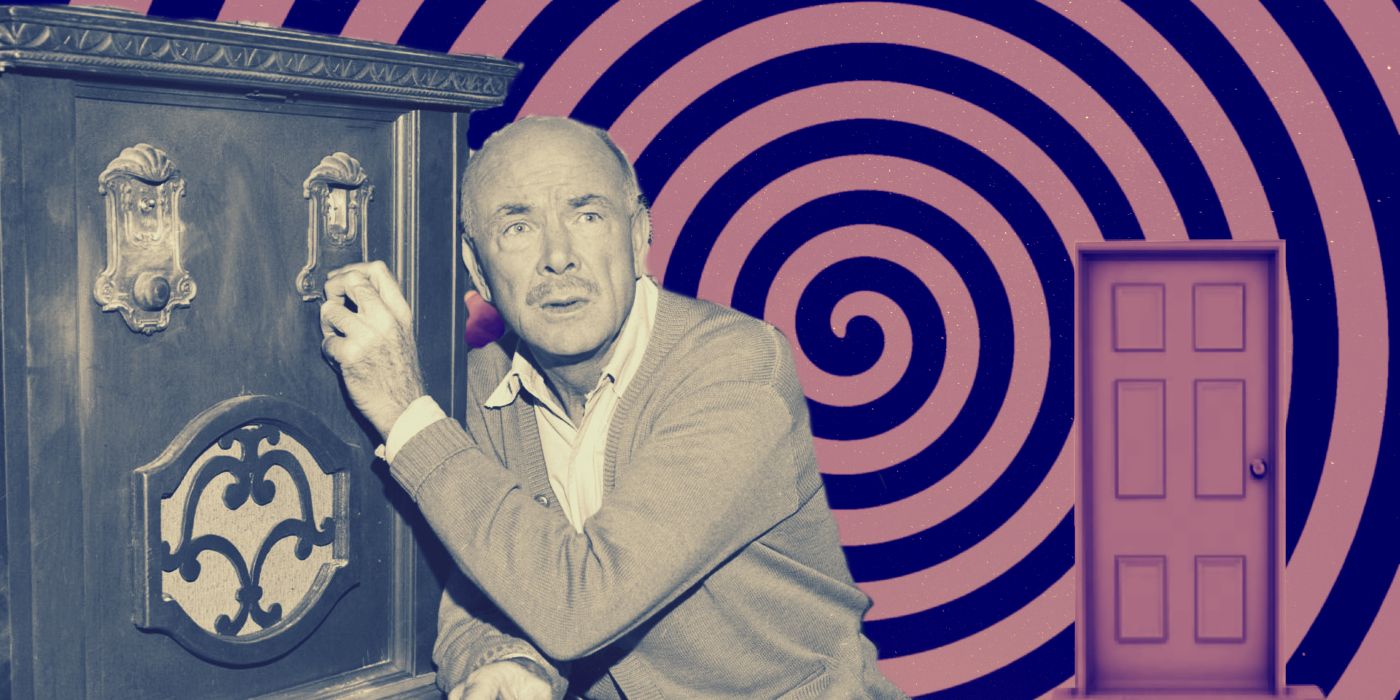
Every fan has a favorite The Twilight Zone episode, and each offers either a mysterious twist, a creative plot, frightening imagery, or any combination of those facets and more. Season 2, episode 20, "Static" offers the rarest type of story for the show: a happy Twilight Zone episode. In "Static", an elderly, bitter bachelor, Ed (Dean Jagger), bemoans the residents of his boarding house constantly watching television. He finds an old radio in the home that seems to be transmitting stations from his youth and, though everyone else can only hear static, Ed begins to believe this radio is magic.
Related 10 Important Ways The Twilight Zone Influenced Movies & TV In The Last 65 Years Since its release over six decades ago, The Twilight Zone has continued to inspire generations of storytellers thanks to its unique power and appeal.
"Static" Began As A Story Idea Called "Tune In Yesterday" From OCee Ritch
Charles Beaumont Collaborated With His Friend To Turn His Short Story Into A Screenplay
"Static" was written by Twilight Zone stalwart Charles Beaumont, who also wrote "Number 12 Looks Just Like You", "The Fugitive", and "Printer's Devil", among many others. The original story kernel for "Static", however, did not come from Beaumont. Instead, the story started as an unpublished short story by author OCee Ritch, under the title "Tune in Yesterday", according to TheTwilight Zone Companion by Marc Scott Zicree, a comprehensive history of the show (via Twilight Zone Vortex).
Ritch was a friend and occasional writing partner of Beaumont's, and he got the idea for the short story after attending a party and seeing an old radio. He wondered what it would be like to be able to turn on the radio and listen to bits that had played decades ago. Ritch turned this idea into a short story and was prepared to submit it when Beaumont convinced him to turn it into a screenplay for The Twilight Zone. Beaumont made a few small but key changes to the story, with Ritch's approval and help.
He even wrote an essay titled "Requiem for Radio" where he described television as a poor replacement for radio, a theme hammered upon in "Static".
In the short story, Ed is an unhappily married man, but Beaumont changed him to a bitter bachelor, living in a boarding house with people of a similar temperament. Beaumont also included much of the satire directed at television, a particularly ironic choice considering the medium he was writing the script for. Despite all his screenwriting credits, Beaumont was not a fan of TV. He even wrote an essay titled "Requiem for Radio" where he described television as a poor replacement for radio, a theme hammered upon in "Static".
Vinnie And Ed Once Intended To Marry
Ed Wants To Correct The Mistakes Of His Past
Close
As Ed becomes more engrossed with the old radio he finds, the other residents of the boarding house become worried about him. One of these boarders is an old friend, Vinnie (Carmen Mathews). Vinnie says that Ed hearing music from the radio is a delusion, and he should snap out of it, lest the others think him mad. As they argue, the truth comes out. Many years ago, decades probably, Ed intended to marry Vinnie but life and commitments got in the way, leading to them both ending up single their whole lives.
It becomes clear that Ed's obsession with the radio isn't entirely centered around his hatred of television and his wish to go back to an "art" he saw as higher. Ed is obsessed with the past. He wants to go back to it to change everything he did to land himself alone and angry in his later years. Vinnie understands this and furiously tells him he can't go back, prompting Ed to throw her out of his room.
Ed's Old Radio Transports Him Back To 1940
Despite What Everyone Believes, The Radio Is Magical
At first, Ed was only hearing old-time radio broadcasts from the radio, but when he contacts the radio station announced on the airwaves, he discovers that the station has been defunct for years, convincing him there is something supernatural going on. The other residents, unable to hear the music, try to sell the radio, only for Ed to buy it back and abscond to his room, confused and overcome with nostalgia and longing. Then "I'm Getting Sentimental over You" by Tommy Dorsey plays, a song special to him and Vinnie in their younger years.
Smiling, Ed is suddenly transported to 1940 where he and Vinnie are young again. He embraces Vinnie and promises not to make the same mistake twice. Rod Serling's closing narration says that Ed wanted nothing more than a second chance, and he got it, thanks to, "a strange and wonderful time machine called a radio."
It's as if Beaumont is speaking right to the audience to tell them the transportive magic of his beloved radio. It's one of the more romantic endings to a Twilight Zone episode and while nostalgia can be a dangerous dream to get lost in, this time, it all works out for Ed.
The Real Meaning Of The Twilight Zone "Static" Ending
The Death Of Radio Was A Personal Burden For Charles Beaumont
Beaumont's particular disdain for television shines through as a major theme in "Static". To Ed (and Beaumont), television is for lifeless drones, content to sit in front of the flashing box and be shown what to imagine. "Static" aired on March 10, 1961, several years after the advent of color television (via ThoughtCo.). Beaumont grew up in a time when radio was the new "hearth". He was a child when FDR performed his legendary fireside chats during WWII. That crackling box would have been an important core memory of his.
To him, and to Ed, television takes away from the magic of the radio. Instead of having to think and conjure images in one's mind, people with televisions have those images served up to them; it takes no creativity. This is not some past worry either. Many who grew up with a cable television set will recall their parents telling them something along the lines of, "Too much TV will rot your brain." In the 21st century, that line of thinking is probably more often applied to smartphones, but the sentiment remains the same.
"Static" does not forget, however, that too much nostalgia for times gone by can not be a good thing as well. Ed is not a hero for listening to the radio, and his cohabitants and former flame all think he's lost himself in the past, afraid of the present. Nostalgia is a powerful force that can mire someone and prevent them from moving forward, and it's not a new trap people fall in. The Greek philosopher Plato decried the written word when it gained popularity, writing in his book Phaedrus (via History of Information),
"If men learn this [writing], it will implant forgetfulness in their souls. They will cease to exercise memory because they rely on that which is written, calling things to remembrance no longer from within themselves, but by means of external marks."
There's a natural tendency to look back on the past through rose-tinted lenses and though it ends up working out for Ed, it's important to remember that things are different in The Twilight Zone. Rod Serling himself says about time in the outro of "Static",
"Around and around she goes, and where she stops nobody knows."
It would take something like a magic radio to change the past, so best not to look back too desperately on the things that have passed, lest one get lost in The Twilight Zone.




COMMENTS