Fascinating New Anime Has a Brilliant Use for One of the Medium's Most Infamous Tropes
Summary Characters in Jellyfish Can't Swim in the Night change their hair colors to symbolize reinventing themselves, tied to the show's theme.
Hair dye in the anime serves as an intentional storytelling device, adding personality to the characters and jabbing at industry norms.
The significance of the hair coloring relates to characters' desires to escape their past circumstances and reinvent themselves.
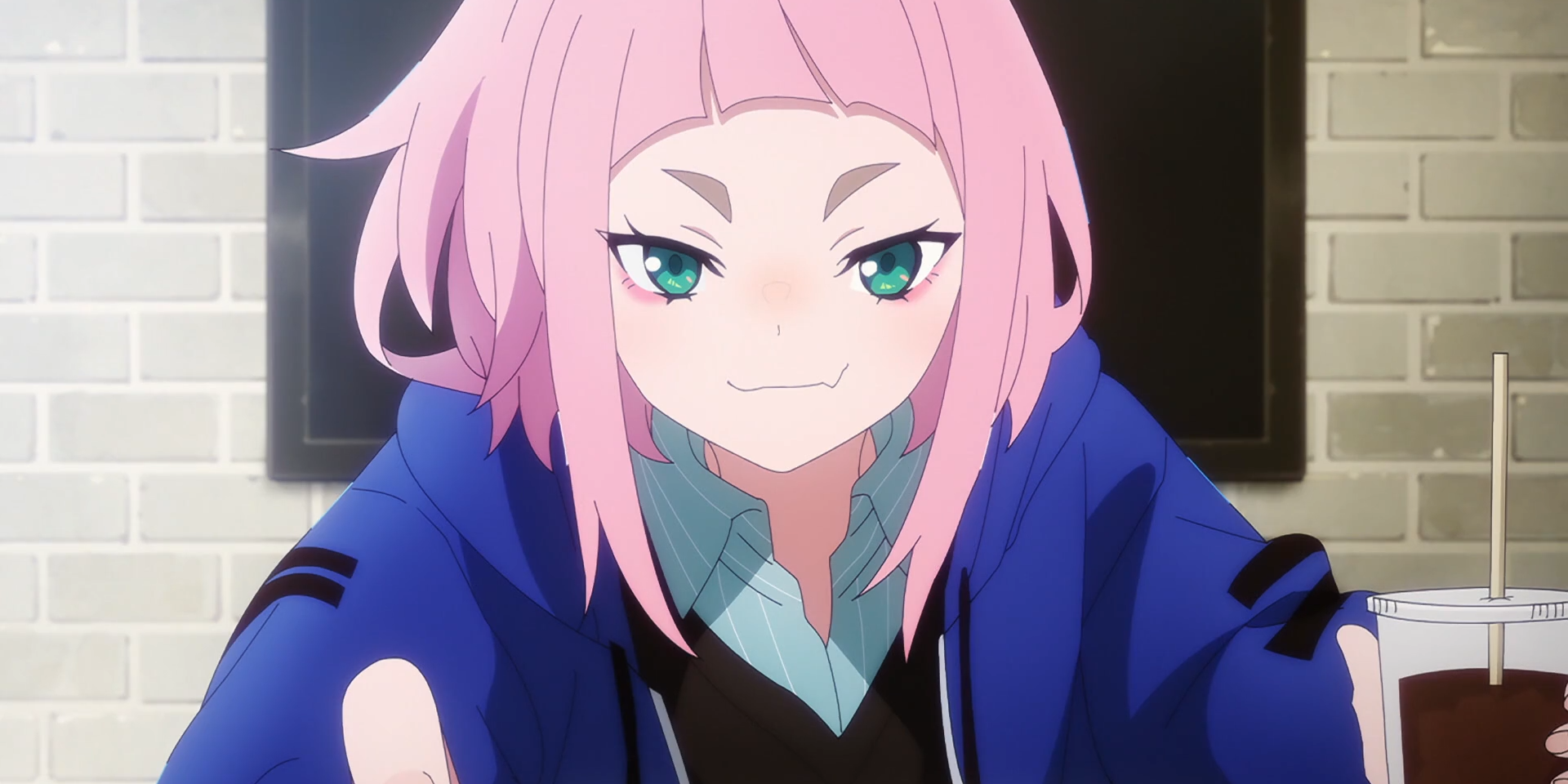
The urban drama Jellyfish Can't Swim in the Night might display outlandish hair colors like other anime, but this detail is cleverly incorporated into the characterization. Three of the four leads changed their natural hair colors to what they are in the show. Not only does this ground the oft-overlooked visual element, but it also ties it into the show's overarching theme of reinventing oneself.
While Kano, Mei, and Kiwi look for all the world like any other anime character, Jellyfish has taken care to show them before and after they change their appearances. Hair dye, as absurd as it sounds, provides both striking character designs, which any fashionable girl would want, and an understated and effective intentional storytelling device.
It's a deliberate and unusual choice that adds more personality to the show. It is also a not-so-subtle jab at the ubiquitous trope of exotic hair color for anime characters.
Related 10 Best Manga About Making Manga There’s more to making manga than just having a creative streak and a talent for drawing. These manga will show what it means to be a mangaka.
Jellyfish Can't Swim in the Night Combines Character And Story With Great Visuals
Changing appearances shows a desire to escape the past
Close
While the four members of JELEE look like an average cast for an anime, it's quickly revealed three of them changed their hair colors - this even serves as the punchline for a joke at the end of Episode 3, with Mahiru shocked that Kiwi dyed her dark hair bright pink. While it could be read as a sly jab at the industry normalizing unrealistic designs for even the most mundane and true-to-life of settings, it's noteworthy that these transformations are a recurring element. So, rather than being a curiosity of character design, hair dye is actually a significant motif.
What makes the hair coloring so significant is how it clearly relates to the "before" and "after" of Kano, Mei, and Kiwi. Not only does it represent a change in their circumstances, but also their desire to reinvent themselves: Kano's blonde hair and large jacket are a rebellion against her cute idol persona; Mei's lengthy flashback shows how she chose dark hair in admiration of that same persona, while Kiwi's bright pink hair seems to be a desperate attempt for attention. In other words, it is symbolic of their desire to escape their past circumstances, to different degrees of success.
JellyfishCan't Swim in the Night Shows The Value of Character Design Beyond Aesthetics
Curiously, Mahiru thus far seems to have escaped this pattern, even though joining JELEE is her chance to start making art again; perhaps the plot will also conspire to dye her brown hair. This only again, illustrates the clever way Jellyfish utilizes a design language that is so common it has become invisible in the viewer's eyes. While changing hair colors is often the result of magic or science, Jellyfish Can't Swim in the Night shows how something as simple as character development can be an impetus for change, even if anime is filled with a veritable rainbow of hues.




COMMENTS