Marvel's Comic Thor is Taking a Page Out of Disney's Book, Turning "Art" Into "Content"
Summary Immortal Thor #9 explores the highly charged art vs content debate, highlighting this key issue in the entertainment industry.
Thor is ensnared by the evil corporation Roxxon and the Enchantress, becoming a pawn in their corporate game.
The issue delves into the dehumanization of art as it is commodified by corporations like Roxxon.
Warning: contains spoilers for Immortal Thor #9!Thor has leaped head first into the “art” versus “content” debate, taking a page out of Disney’s playbook in the process. In Marvel’s new Immortal Thor, Dario Agger, the head of the evil Roxxon Corporation, has thrown in with the Enchantress. Together, they have hatched a plan to enslave Thor, and it comes to a head in Immortal Thor #9. Along the way, it explores art versus content.
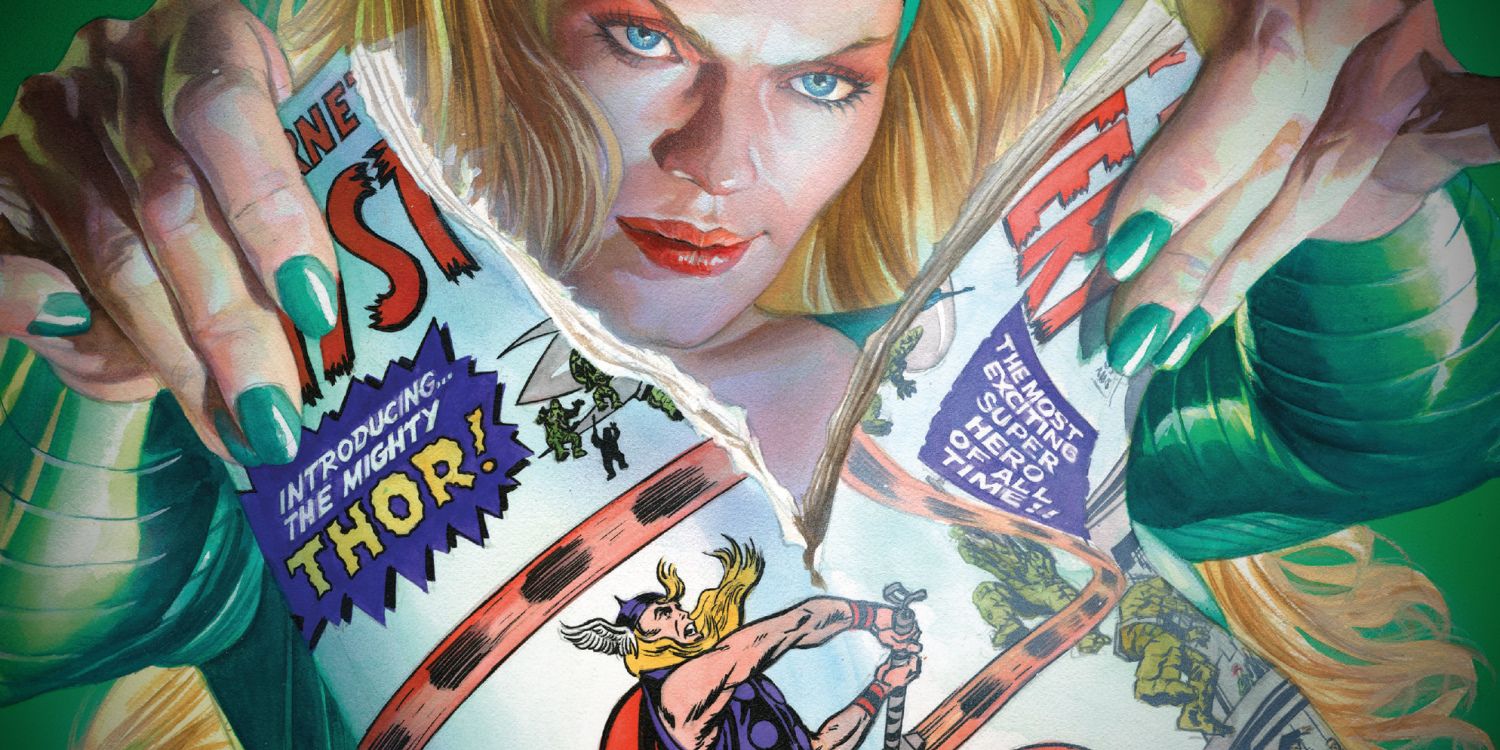
Immortal Thor #9, written by Al Ewing and drawn by Ibraim Roberson, begins with Thor confronting the Enchantress and Dario Agger, the Minotaur. The Enchantress is unfazed by Thor, as if she knows something the Thunder God does not. She has created a spell, and she calls it an “art.”
Then, Agger’s skull appears in the sky, telling them he prefers the term “content.”
Agger then asks Thor if he “is content.” The Enchantress then hands Thor a comic book starring him.
He learns that she has cast a spell that will essentially turn Thor into a slave of Roxxon.
Immortal Thor Launches Head-First Into 'Art vs. Content'
Thor Is Now Fighting Business Executives, Not Loki
In just 22 pages, Ewing and Roberson succinctly sum up the “art” versus “content” debate currently raging in the entertainment industry. As streaming platforms become more ubiquitous in society, certain corporations have begun referring to shows and movies on their services as “content.”
This label has rubbed many artists the wrong way. They feel it dehumanizes their work, and turns it into yet another commodity to be exploited. This new label has also coincided with the rise of IP-driven blockbuster movie franchises, such as the MCU. Immortal Thor #9 calls out the relationship between art and commerce.
Although Dario Agger is one of Thor's newer foes, Roxxon itself is 50 years old, first appearing in 1974's Captain America #180.
Related Marvel Retrospective: This 1970s Thor Comic Just Became Pivotal to the God of Thunder's Future Al Ewing's latest issue of Immortal Thor incorporates one of the character's classic adventures, from 1978's Thor #272, in a radically novel way.
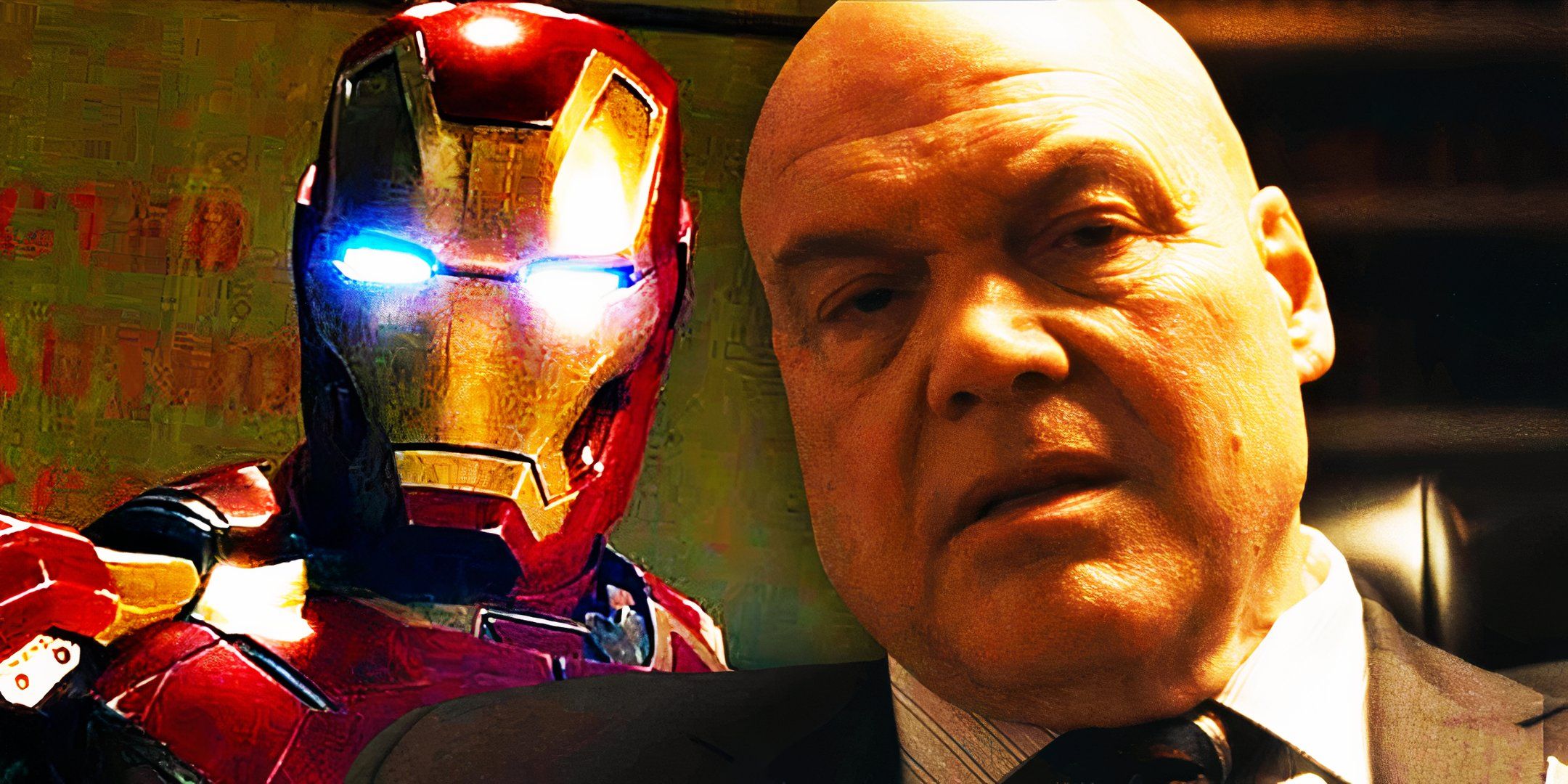
In addition, the move towards calling it “art” over “content” has also come at a time when the corporatization of media is at an all-time high. Studios regularly cancel completed projects because of a tax write-off. Some studios have also begun using AI in movies and TV, a move that further disenfranchised artists. In Immortal Thor #9, Dario Agger becomes a stand-in for media executives Bob Iger and David Zaslav. Agger has no interest in art, he only wants to acquire more wealth and power, and the issue shows readers his terrifying endgame: a desolate, corporate hellscape run by Roxxon.
Thor Is Now an Employee of Roxxon (Yes, Really)
Just Like "Content," Thor is Now Corporate
Thor is central to Agger and Roxxon’s plans. Immortal Thor #9 reveals that gods, like Thor, are susceptible to story-telling magic. The spell Enchantress wove taps into this, and Thor walked right into hers and Agger’s trap. The duo intend to reshape reality in Roxxon’s favor, and Thor is their first victim.
Solicitations for future issues of Immortal Thor have revealed a Roxxon-endorsed variant of the Thunder God. The “art” versus “content” debate inspired by studios like Disney is not likely to die down in society anytime soon, nor will it in the pages of Immortal Thor.
Immortal Thor #9 is on sale now from Marvel Comics!




COMMENTS