Star Wars: The Bad Batch's Finale Rewrites The History Of Project Necromancer
Warning! SPOILERS for The Bad Batch season 3 finale.
Summary Palpatine's Project Necromancer aimed to create a superior clone with higher M-count for his soul to transfer into.
The Bad Batch thwarts Palpatine's Project Necromancer, leading to its temporary closure after Doctor Hemlock's defeat by Hunter and Crosshair.
Project Necromancer is revived post-Return of the Jedi, providing an explanation for Palpatine's absence in The Mandalorian.
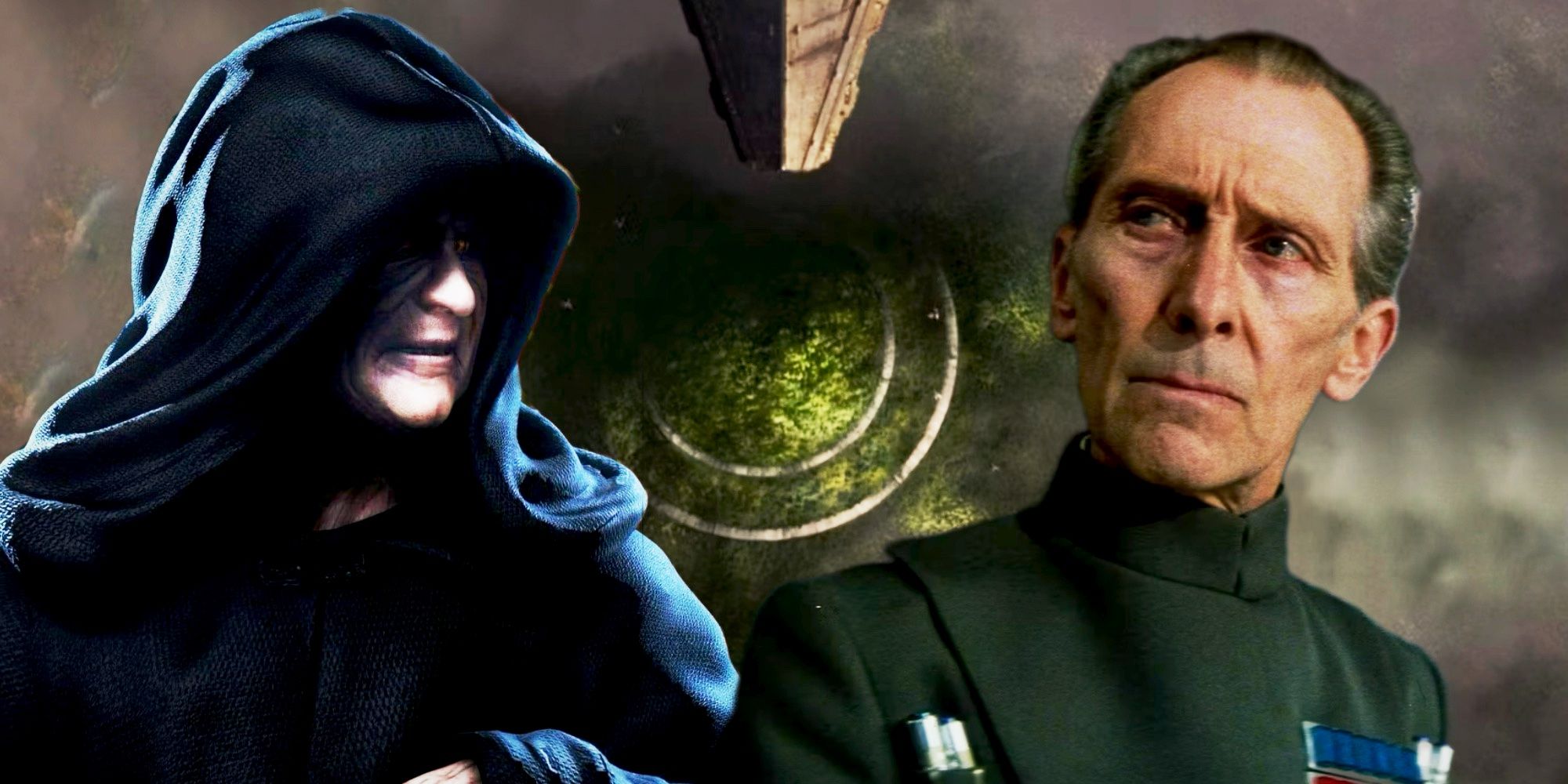
The Bad Batch season 3 finale has finally brought the series to a close, while also providing a rough timeline for Emperor Palpatine’s precious Project Necromancer. First mentioned in The Mandalorian season 3, Project Necromancer promised to explain how Palpatine “somehow” returned in Star Wars: The Rise of Skywalker. Creating a simple clone of himself was easy, but Palpatine's pride drove him to push cloning science even further than the Kaminoans had. He did not want to create a mere clone of himself; instead, Project Necromancer existed to craft an even better clone than the original.
According to The Bad Batch season 3 ending, Palpatine’s main goal with Project Necromancer was to create a clone with a higher M-count than his own, thereby increasing his connection to the Force. If successful, he could then transfer his essence (or his soul) into the improved clone, and continue ruling the Empire from a younger and more powerful body. To this end, Palpatine gave Doctor Hemlock all the resources necessary. Yet Doctor Hemlock discovered that artificially increasing M-count was no easy task, as cloning almost always came with a decrease in M-count from the original to the clone.
Related How Long Is The Bad Batch Season 3's Finale? Star Wars: The Bad Batch season 3 ends with an epic finale, one that will need every minute of its extended runtime to tie up all the plots.
Palpatine's Project Necromancer Failed
Thanks to the efforts of the Bad Batch, Palpatine’s Project Necromancer was ultimately thwarted. During Omega’s escape, Hunter and Crosshair defeated Doctor Hemlock, putting an end to the mastermind of the program. And even though Palpatine assured Hemlock that Project Necromancer was one of his most vital pieces to his Empire, Palpatine seemingly allowed Governor Tarkin to shutter the operation after Hemlock’s death. With Mount Tantiss and its secrets in ruins, its leader in his grave, and no research left to follow up on, the Batch set Palpatine back to square one in his search for immortality.
While the Batch instigated most of the destruction of Hemlock’s base on Tantiss, it was ultimately the Kaminoan Nala Se who dealt the final blow to Project Necromancer. Rather than see her peoples’ research continue to be misused by the Empire, she sacrificed herself to blow up the databanks on Tantiss. Had she failed to destroy Hemlock’s research, it’s likely Tarkin would have cleaned up Hemlock’s mess and carried on with the program where he’d left off. But because of Nala Se, the Empire abandoned Project Necromancer for a time, though—inevitably—it was revived later.
Project Necromancer Was Restarted... But Was It After The Empire's Death?
Close
While The Bad Batch season 3 closed the door on Project Necromancer during the Imperial Era, The Mandalorian season 3 reopened the door. During a meeting of the Imperial Shadow Council, Grand Admiral Thrawn’s right-hand man, Captain Gilad Pellaeon, mentioned Project Necromancer. At this point, Commandant Brendol Hux was now in charge of the program. According to the Imperials, Project Necromancer was meant to reinstate stability and leadership back into the scattered remnants of the Empire. In other words, the project aimed at cloning Emperor Palpatine in order for him to return to his rule.
While The Bad Batch season 3 did shed a lot more light on the details of Project Necromancer, the finale begged the question of when the program restarted. After Hemlock’s failure, Tarkin canceled Project Necromancer and diverted its funding to Project Stardust. Yet by The Mandalorian, Project Necromancer was back in full swing. It makes the most sense for the project to have been revived by the remnant Imperials only after their glorious Empire fell in Return of the Jedi, since it was their last hope of reviving Palpatine and the Empire.
Unbeknownst to the Imperials, "Project Stardust" was named after Galen Erso's daughter, Jyn Erso.
We Now Know Why Palpatine's Resurrection Hasn't Happened By The Mandalorian
If anything, The Bad Batch season 3 helps explain why it took Palpatine so long to resurrect himself in Star Wars. Project Necromancer likely stagnated for two decades after the Batch sabotaged it. Only after Palpatine “died” by Darth Vader’s hand did the Imperials reopen the project. And even then, there was almost nothing left of Project Necromancer for them to go off of. Hemlock, Tantiss, and all his research had been left to gather dust on Wayland, but Palpatine’s idea behind the project—much like his wandering soul—remained alive.
Related Will There Be A Star Wars: The Bad Batch Season 4? Has Star Wars: The Bad Batch been renewed for season 4? Here's everything we know about the animated series and Clone Force 99's future.
It’s quite possible Moff Gideon was one of the first to stumble upon the remnants of Project Necromancer, seeing as he ended up trying to steal Palpatine’s idea of creating Force-sensitive clones for himself. Hemlock failed to answer the M-count problem because he lost Omega, but Gideon finally found the answer by using Grogu. This explains why Palpatine has not yet returned in The Mandalorian. Both The Bad Batch and The Mandalorian are stories about characters who unwittingly delay Project Necromancer, postponing Palpatine’s inevitable resurrection until the sequel trilogy.
All episodes of The Bad Batch are now streaming on Disney+.





COMMENTS