Doctor Who's Wild Musical Ending In Season 14's 1960s Episode Actually Has A Canon Explanation
Warning: Spoilers ahead for Doctor Who season 14, episode 2, "The Devil's Chord."
Summary The Doctor faces a musical showdown in Doctor Who with Maestro, who has immense musical powers.
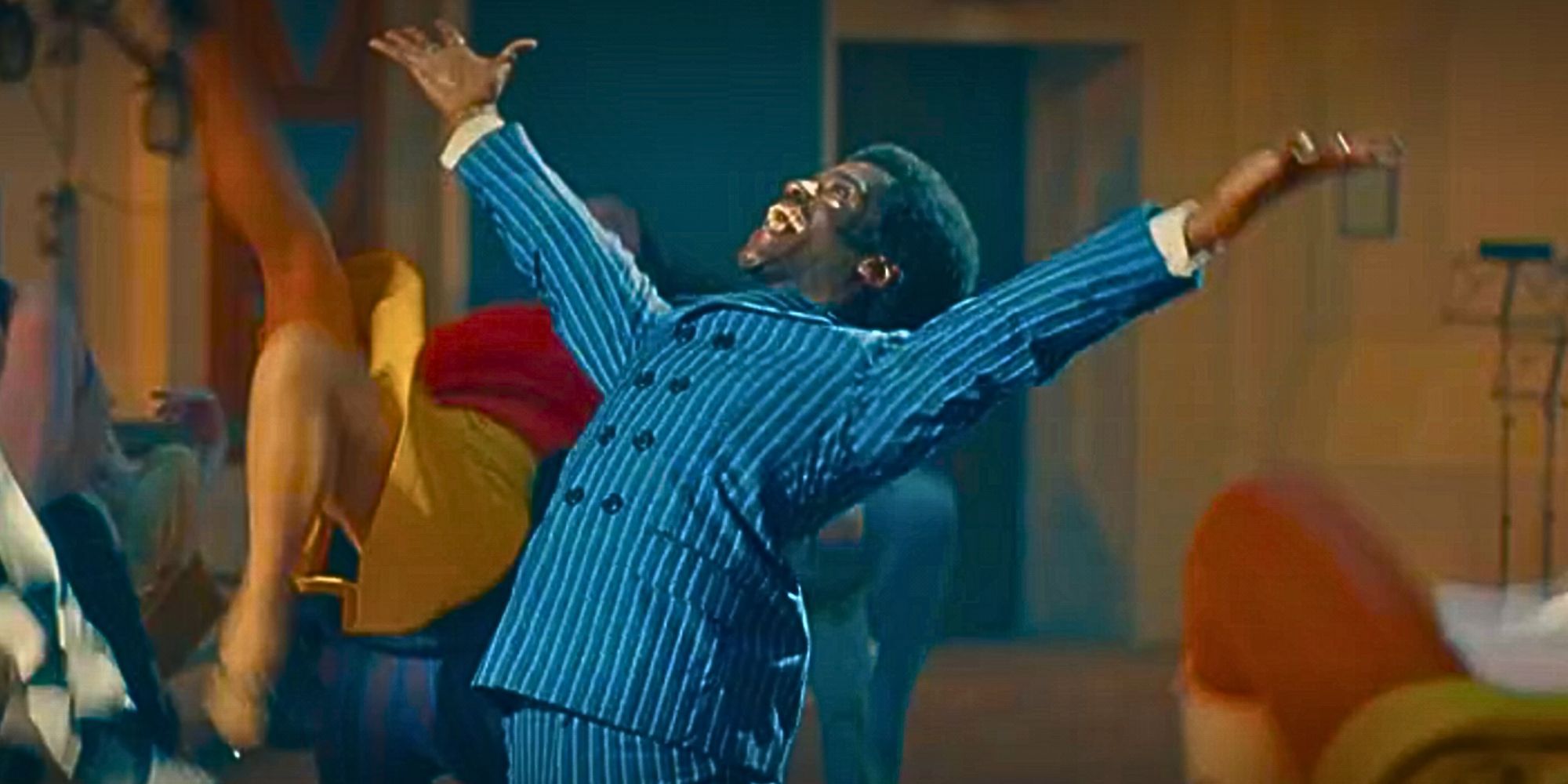
Maestro's lingering aura causes a highly-choreographed song and dance number among characters.
The musical sequence in the episode suggests Maestro's power surpasses the Toymaker's as it impacts reality to a greater degree post-defeat.
The ending of Doctor Who season 14, episode 2, "The Devil's Chord," is more akin to a Broadway musical than a science-fiction TV show, but the musical finale isn't as random as it initially seems. The Doctor and Ruby have an unconventional battle to face in the episode, the fallout of which has a strange impact on the story's closing minutes. The finale sequence is in keeping with the installment's musical elements, but the explanation goes beyond simple thematic relevance.
"The Devil's Chord" introduces Jinkx Monsoon to the Doctor Who season 14 cast as a brand-new villain. Her character is a member of Doctor Who's Pantheon - an order of immortal beings who come from outside the universe. Known as Maestro, the child of Neil Patrick Harris Toymaker falls to the Doctor with the assistance of Ruby Sunday and two fictionalized members of The Beatles. The high-stakes clash between Maestro and the Doctor is the episode's climax, but that doesn't stop the story from including one last hurrah as it draws to a close.
Related Doctor Who: Every Doctor & Who Played Them (In Chronological Order) Doctor Who has been played by a crop of fantastic actors going back several decades, and each version has been both unique and memorable.
Doctor Who's 1960s Closing Number Was Likely Caused By Maestro's Lingering Domain
Jinkx Monsoon's character has immense musical powers
Close
At the end of the Doctor Who 60th's anniversary specials, the Toymaker's banishment didn't mean his powers immediately vanished. Instead, Ncuti Gatwa's Fifteenth Doctor used the villain's lingering presence to duplicate the TARDIS, so Fourteen wasn't left stranded. The scene occurs due to the Toymaker's status as a "Living game," and the ability to twin the blue box was deemed the prize for the bi-generated Time Lords. Applying the same logic to Maestro, the Toymaker's offpspring, and the impromptu group performance at the end of "The Devil's Chord" could have inadvertently been caused by Maestro's remaining aura after their defeat.
The Doctor describes Maestro as "The essence of music itself," so it would make sense that the remainder of the villain's power would influence the episode's characters in such a way.
The Doctor describes Maestro as "The essence of music itself," so it would make sense that the remainder of the villain's power would influence the episode's characters in such a way. Just as the Toymaker had already been defeated when Fifteen doubled the TARDIS, Maestro has already been vanquished when the characters in "The Devil's Chord" start performing "There's Always a Twist at the End." So, it would appear that Pantheon members are so powerful, that their abilities continue to influence reality even after they fall - even if only temporarily.
Doctor Who Season 14, Episode 2's Musical Sequence Suggests Maestro Is Stronger Than The Toymaker
Maestro's influence on reality after being banished was far more pronounced than the Toymaker's
When the Doctors cash in on their victory against the Toymaker in "The Giggle," nothing is actively happening until they realize there is still a reward to be had. In other words, the Toymaker's domain was still present, but it wasn't detectable. When Maestro is defeated, those nearby seem uncontrollably sucked into a highly-choreographed song and dance number, meaning even Maestro's residual power surpassed that of their father in Doctor Who.
Episode Disney+ Release Date "Space Babies" & "The Devil's Chord" May 10 "Boom" May 17 "73 Yards" May 24 "Dot & Bubble" May 31 "Rogue" June 7 "The Legend of Ruby Sunday" June 14 "Empire of Death" June 21





COMMENTS