I'm Amazed Doctor Who Took So Long To Do THAT Monster Twist
Warning: spoilers ahead for Doctor Who season 14, episodes 1 & 2.
Summary The Bogeyman in Doctor Who season 14, episode 1, "Space Babies," is literally made of bogeys.
It's amazing Doctor Who hasn't thought of this idea before - especially given some of its previous monsters.
The Bogeyman is indicative of the slightly sillier, more outlandish direction RTD is taking Doctor Who in.
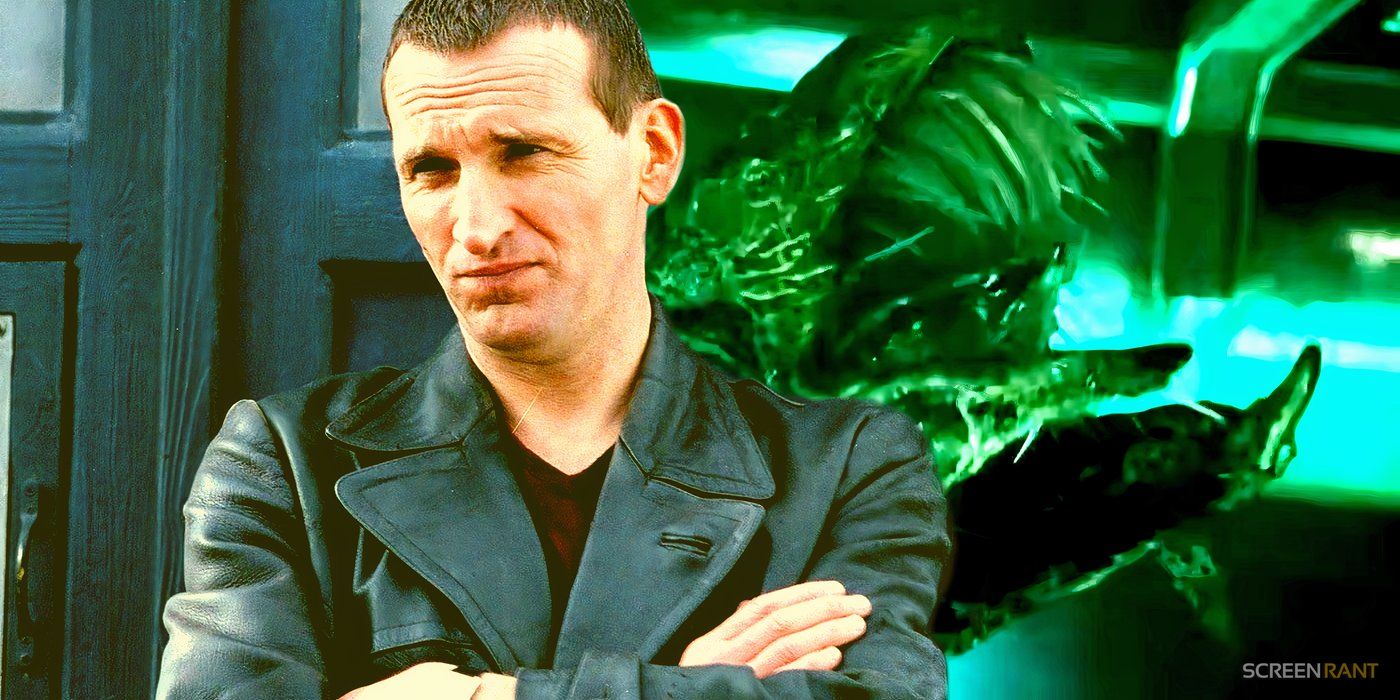
Doctor Who season 14, episode 1's gross twist on the Bogeyman is both brilliantly simple and utterly within the spirit of the show - so it's strange this monster idea is only happening now. Kicking off the new era proper after 2023's Doctor Who Christmas special, "Space Babies" revisits the classic base-under-siege format. Ncuti Gatwa's Fifteenth Doctor and Millie Gibson's Ruby Sunday are tasked with protecting the nappy-clad inhabitants of an abandoned space station from a raging, fanged monster patrolling the lower levels - a creature the babies - sorry, space babies - call "the Bogeyman."
There's always a twist at the end, and Doctor Who season 14's "Space Babies" eventually confirms the Bogeyman is quite literally made out of bogeys, boogers, snot, nose gunk, nostril goblins, or whatever other names one may use. The Doctor discovers that the machine responsible for creating the babies was tasked with raising them once the facility's human crew abandoned ship, and so it created a "bogeyman" inspired by the various children's stories recorded within its programming. Since the machine interprets data literally, it constructed the Bogeyman from discarded tissues the bab... sorry, space babies, blew their tiny noses with.
Related 10 Recurring Doctor Who Villains, Ranked By Most Appearances Doctor Who has introduced a wide variety of villains in its 60-year run, with only a few returning throughout to repeatedly challenge the Doctor.
A Bogeyman Made Of Bogeys? It Seems So Obvious For Doctor Who
A Doctor Who Monster Pun Over 60 Years In The Making
After "how is Ruby getting that out of her hair," the immediate question that springs to mind following Doctor Who's Bogeyman twist is how 60 years have passed without at least one writer dreaming up this idea already. The bogeyman legend is baked into Doctor Who's very premise, demonstrated perfectly by the show's enduring reputation for making younger viewers cower behind the sofa. The idea of a bogeyman has been referenced on numerous occasions, recently with Zellin in Jodie Whittaker's era, but the premise can also be found within Capaldi's "Listen" and many stories before that.
Doctor Who also has a history of using clever word play and childhood myths to create scary monsters. The Sandmen from "Sleep No More" were made of sand, the Kandyman from "The Happiness Patrol" was made of candy, the Whisper Men from "The Name of the Doctor" whispered. Monsters such as the Weeping Angels, the Autons, and the Beast, meanwhile, were all inspired by genuine, real-world fears viewers have, similar to the bogeyman. The fact that Doctor Who has never before included a Bogeyman made out of actual bogeys is a mind-boggling omission.
The concept is perhaps a little too silly to have appeared during the classic era. It's certainly hard to imagine Jon Pertwee's Third Doctor politely informing Jo that her hair is covered in sentient snot, while such a monster would likely have been dismissed as overly-juvenile during the years leading up to Doctor Who being canceled in 1989. Since Doctor Who's return in 2005, however, audiences have encountered flatulent Slitheen, a green Peter Kay, and sentient blobs of fat. A bogey monster is very much within Doctor Who's wheelhouse - at least when looking at the past 19 years.
RTD's Doctor Who Is Heading In A Sillier Direction (But That's Okay!)
Doctor Who Shouldn't Always Take Itself Seriously
Close
The Bogeyman in "Space Babies" is indicative of the sillier direction Russell T Davies is taking Doctor Who in season 14. The Toymaker danced to the Spice Girls in "The Giggle," the 2023 Christmas special featured goblins, and "The Devil's Chord" ends in a music battle. Even in "Space Babies," the day is saved when Ncuti Gatwa's Fifteenth Doctor effectively farts the space station to safety by emitting stored nappy gas. On the list of wacky ideas Doctor Who has used since RTD's return, the Bogeyman barely cracks the top five.
Doctor Who is at its best when it walks between the real and the ridiculous.
Inevitably, this is not a direction all Doctor Who fans will relish, but there should always be space for silliness aboard the TARDIS. The very nature of Doctor Who is inherently childlike, and tongue-in-cheek humor has been part of the franchise's DNA since the 1970s, arguably even earlier. Jelly Baby, anyone?
Related Why RTD Left Doctor Who In 2010 (& Why He Returned 14 Years Later) After five years as the showrunner of Doctor Who, Russell T Davies left the series in 2010. 14 years later, his return is motivated by a clear reason.
Doctor Who gets away with being childish because it balances the tonal books with moments of genuine darkness and pertinent real-world themes. "Space Babies" may include a monster made of bogeys and a farting space station, but it also offers hard-hitting commentary concerning the refugee crisis. Ruby imploring Jocelyn not to kill the Bogeyman, meanwhile, wonderfully makes a moral point about mercy and empathy. Like the Doctor themselves, Doctor Who is at its best when it walks between the real and the ridiculous. As long as that continues to be the case, RTD can draw as much inspiration from used Kleenex as he likes.
Episode Disney+ Release Date "Space Babies" and "The Devil's Chord" May 10 "Boom" May 17 "73 Yards" May 24 "Dot & Bubble" May 31 "Rogue" June 7 "The Legend of Ruby Sunday" June 14 "Empire of Death" June 21




COMMENTS