Xbox Game Pass Suddenly Doesn't Feel Like The Best Deal In Gaming Anymore
Summary Xbox Game Pass growth is slowing, and the future of the game is uncertain as Xbox focuses more on blockbuster franchises.
With Microsoft closing studios, fewer new exclusive releases are expected for Xbox.
Service may not die soon, but it could see fewer games available as Microsoft shifts priorities.
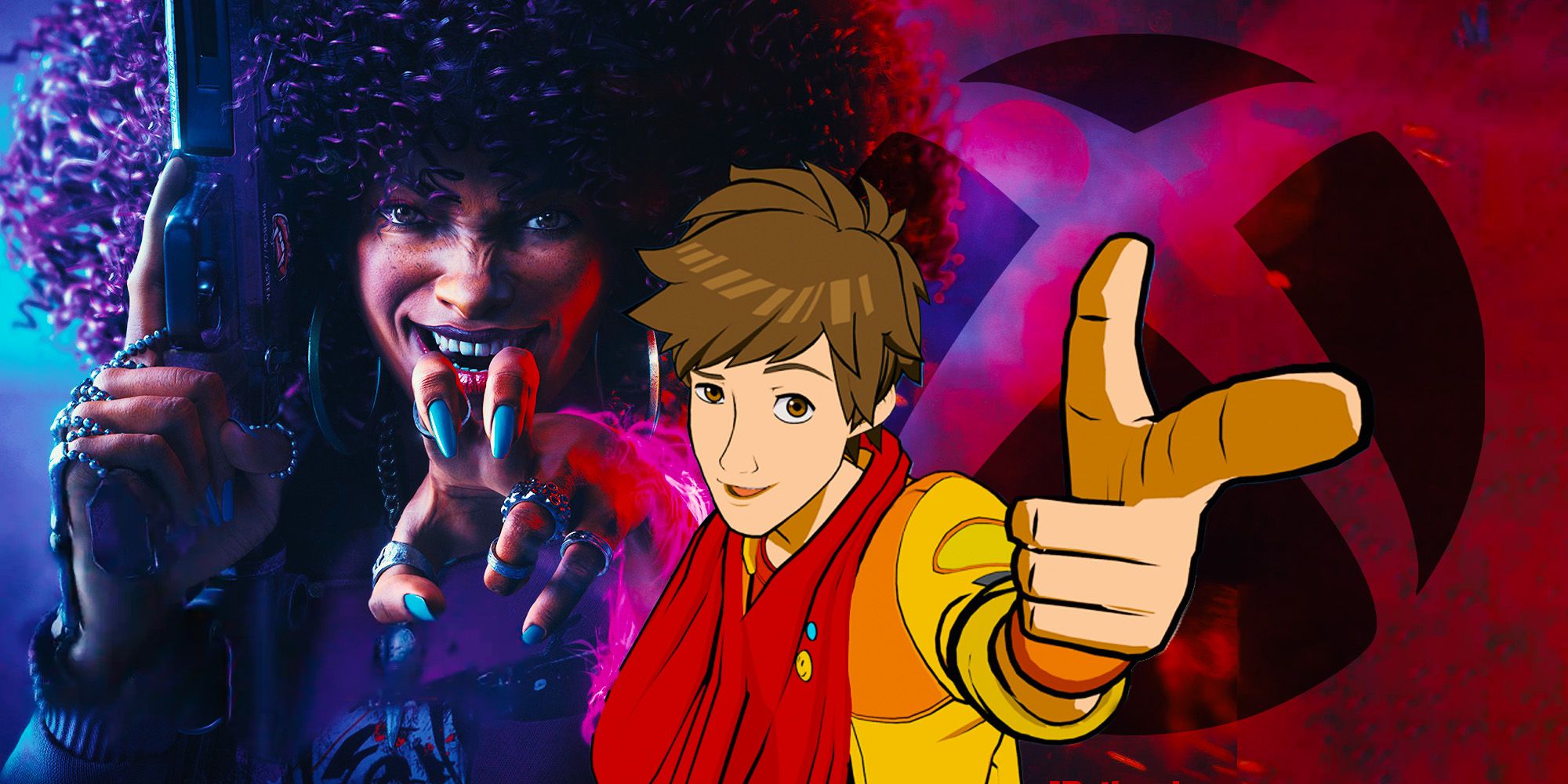
Though Microsoft's Xbox Game Pass has maintained a steady presence in the industry as one of its most prominent subscription services, its success might not last. From its original launch in 2017, Game Pass has seen significant growth, with an ever-expanding library of games that have come to boast some of the biggest releases in the industry — even highly-anticipated titles like Persona 3 Reload and Starfield, both of which made their way to Game Pass day one of their respective release dates. However, as the service's growth stalls, its future may be uncertain.
With each new console generation, it seems like Xbox has been on the back foot against its main competitors. In the popular view, this started with the Xbox One's disastrous showcase at E3 2013, where the console's required online connection and restrictions on media sharing almost immediately tanked its reputation. In the generations since, Xbox's strategy has seemingly shifted more towards services than hardware, with the introduction of Game Pass and a string of game development studio acquisitions. Currently, however, as several of Microsoft's acquired studios face cuts or closure, Xbox may be shifting strategies yet again.
Related Call Of Duty Could Finally Be Coming To Xbox Game Pass, But There's A Catch New reports indicate that there may be a catch that frustrates Call of Duty players if the series finally comes to Xbox Game Pass.
Xbox's Focus May Be Shifting Away From Game Pass
Minimal Growth From Game Pass May Have Contributed To Studio Closures
Close
As reported by industry analyst Matt Piscatella on X, the growth of "non-mobile video game subscription spending" has slowed significantly from its peak, having seen only a 2% increase from 2022 to 2023 and an even lesser 1% going into 2024. While this is generally bad news for services like PlayStation Plus and GeForce Now, the stalled growth of subscription services seems even worse for Xbox, which has seemingly been hinging its strategies heavily on the success and continued growth of Game Pass, and which has essentially "lost" the "console war" in terms of hardware and exclusive offerings.
In the future, this could mean lessened investment in both Game Pass itself and in the development of new games to fill its library. Already, Microsoft's closure of four game studios, including Tango Gameworks (Hi-Fi Rush, The Evil Within) and Arkane Austin (Prey, Dishonored), indicates a shifting strategy, with the report by Jason Schreier from Bloomberg quoting Xbox Game Studios head Matt Booty as having stated the closures are for "prioritizing high-impact titles and further investing in Bethesda's portfolio of blockbuster games." While Booty's statement doesn't mention Game Pass directly, it does indicate that priorities at Xbox have shifted towards hinging everything on major franchises like Fallout and The Elder Scrolls.
Microsoft has recently closed four of its studios — the already-mentioned Tango Gameworks and Arkane Austin are the most prominent, but the two others are Alpha Dog Games, a mobile game developer most well-known for Might DOOM, and Roundhouse Studios, a studio re-formed from Human Head Studios, which worked on the 2007 Prey.
Moreover, as indicated by a recent article from Wes Fenlon on PC Gamer, indie titles on Game Pass are feeling the burn as well, with deals from Microsoft's Game Pass (as well as Epic Games Store exclusivity deals) having drastically decreased in the years since the service's initial launch. This cutting down on deals for Game Pass, despite indie games making up much of its catalog, further indicates that Xbox's strategies are moving away from the service and points towards a possible winding down of support for it in the future.
Related Hi-Fi RUSH Review: An Electric Performance Hi-Fi RUSH is an exciting rhythm-based action game with bundles of heart and thrilling moment to moment combat.
It's unlikely that Game Pass will die outright, at least in the near future, but behind-the-scenes reports clearly show that the service isn't growing to Microsoft's expectations — to that end, subscribers can possibly expect lessened support for the service as Xbox pivots to other avenues. This could entail fewer games making their way to the service, especially indie games, and possibly fewer big games being made available on the service as well, at least on day one of release. As Game Pass's momentum continues to stall, the service could fall to the wayside for Microsoft.
The Future Of Xbox Game Pass Is Uncertain
Game Pass May Not Be Sustainable In The Long-Term
So, while no official remarks have stated this to be the case, the lackluster growth of Game Pass could be a major contributing factor to Xbox's studio cuts — as Microsoft's gaming division shifts even more focus to major franchises like Bethesda's Fallout and Activision's Call of Duty, the company's support for Game Pass and the studios that make games to fill its catalog dwindles. Even individually successful games, like Tango's Hi-Fi Rush, apparently don't fit Microsoft's future strategies, which seem to hinge on chasing more explosive growth.
Related What New Games Are On Xbox Game Pass & What Games Are Leaving (May 2024) Microsoft is adding several new titles to its Game Pass subscriptions in May 2024, but there are also some titles being removed.
As much as it may seem like a problem solely for Microsoft, however, the company's over-investment in the seemingly unsustainable Game Pass is indicative of a wider trend in the industry — even successful games are no longer "enough" to warrant further support for the studios that made them. Major corporations are all, seemingly, chasing the trend of gargantuan success and infinite growth, games and services that can make increasing amounts of money in perpetuity instead of self-contained games that release, potentially sell well, and then naturally fade as they get further from their initial launch.
The clearest example of this is the rise of live-service games - Arkane Austin and Rocksteady, two developers most well-known for their self-contained single-player experiences, released Redfall in 2023 and Suicide Squad: Kill The Justice League in 2024, respectively. Both games were commercial and critical failures at launch, and with the closure of Arkane, support for Redfall has already been discontinued, barely over a year since the game's release. Incidentally, this also means that players who pre-purchased DLC won't be receiving that content, though Microsoft has, of course, promised "make-good offers."
Moreover, as Microsoft reportedly looks to make more cuts to its studios, even studios with upcoming games might be in danger. Even if games like Ninja Theory's Hellblade II or Obsidian Entertainment's Avowed are successful in their own right, the studios themselves may still be on the chopping block, unless their games can manage the unlikely feat of matching once-in-a-generation mega-hits like Skyrim or Baldur's Gate 3. As Microsoft gears up to consolidate resources towards blockbuster franchises, anything smaller may not survive.
Related Is This The End Of Xbox? Latest Rumors Explained Rumors are quickly spreading surrounding the future of Xbox, and whether some of Microsoft's biggest exclusives will be coming to PlayStation.
Currently, of course, Game Pass is still an excellent deal for anyone looking to play multiple games in its catalog on a smaller budget. But, as Microsoft's priorities shift, support for the service may wind down, and with the company cutting down on internal studios and deals for indie developers, the flow of new games to Game Pass is likely to slow down as well, potentially decreasing the subscription's value over time. With Xbox Game Pass and other subscription services like it reporting slowed year-over-year gains, Microsoft seems to be chasing other avenues of infinite growth.
Sources: @MatPiscatella/X, Bloomberg, PCGamer




COMMENTS