10 Iconic Bands With Enough Behind-The-Scenes Drama For A Great Biopic
Summary Behind-the-scenes drama impacted iconic bands like Fleetwood Mac and the Everly Brothers, influencing their music and relationships.
Conflict within bands like Talking Heads and Pink Floyd led to disbandment and legal battles over creative control.
Feuds between legendary musicians like Axl Rose and Slash, as well as brothers Liam and Noel Gallagher, highlight the challenges of fame and success in the world of rock music.
Rock and roll will forever be associated with drama, and there are numerous iconic bands with enough backstage turmoil to inspire an unforgettable music biopic. From the tumultuous relationships within Fleetwood Mac to the bitter feuds between brothers in Oasis and the Everly Brothers, the world of rock music is filled with captivating stories of conflict and reconciliation. While there are lots of upcoming music biopics to be excited about, there still remain several others that have yet to receive the biopic treatment they deserve.
The true story detailed in the recent biopic Bob Marley: One Love detailed all the backstage drama that influenced his music. The bands discussed here have also experienced their fair share of behind-the-scenes drama that would make for compelling cinematic narratives, as well. These stories not only shed light on the complex interpersonal dynamics that often fuel the creation of groundbreaking music, but also serve as a reminder that even the most successful and influential artists are not immune to the challenges and pitfalls of fame and fortune.
10 Talking Heads
Drama leading to disbandment
Close
The pioneering new wave band, Talking Heads, experienced significant internal turmoil in the late 1980s despite their commercial success and critical acclaim. Lead singer and guitarist David Byrne increasingly took control of the band's creative direction, leaving bassist Tina Weymouth, drummer Chris Frantz, and keyboardist Jerry Harrison feeling increasingly marginalized. This led to growing tensions and resentment within the group, ultimately contributing to their decision to stop touring after their 1983-84 Speaking in Tongues tour and the release of their final album, Naked, in 1988.
Attempts to revive the Talking Heads in the mid-1990s without Byrne's involvement were met with legal action, further straining the relationships between the former bandmates. The band's only live performance since their unofficial disbandment took place at their Rock and Roll Hall of Fame induction in 2002. Despite Byrne's successful Broadway show featuring Talking Heads songs, none of his former bandmates were invited to attend, highlighting the lingering tensions and unresolved conflicts within the group.
9 Fleetwood Mac
Several romantic entanglements inspired their creative process
Close
Fleetwood Mac's iconic album Rumours was born amidst a tumultuous period in the band's history, as each member grappled with personal relationship issues that inevitably spilled over into their creative process. The divorce of Christine and John McVie after eight years of marriage, coupled with the volatile relationship between Stevie Nicks and Lindsey Buckingham, created a tense and emotionally charged atmosphere in the studio. Further complicating matters, drummer Mick Fleetwood's wife was unfaithful to him, adding another layer of heartache to an already strained dynamic.
The lyrics of several songs on Rumours speak to the band's internal struggles, with tracks like "Go Your Own Way" directly addressing the personal turmoil they were experiencing. The raw emotions and interpersonal conflicts that permeated the recording sessions undoubtedly contributed to the album's enduring success, as the band channeled their pain and frustration into their music. However, the process of creating Rumours was far from harmonious, as the band members navigated the challenges of working together while simultaneously dealing with the dissolution of their relationships.
8 Guns N’ Roses
Creative differences led to a feud
Close
The tumultuous relationship between Guns N' Roses lead vocalist Axl Rose and lead guitarist Slash has been a defining aspect of the band's history. Despite the incredible success of their debut album Appetite for Destruction, creative differences and personal tensions between the two iconic musicians led to a bitter and prolonged feud. In a 2009 interview with Spinner, Rose referred to Slash as "a cancer," accusing him of hogging the spotlight and contributing to the band's internal conflicts (via Rolling Stone).
The animosity between Rose and Slash reached a boiling point in 2012 when Guns N' Roses were inducted into the Rock and Roll Hall of Fame. Rose, the sole member of the band not to attend the ceremony, faced a hostile audience that chanted vulgarities upon the mention of his name. However, Rose and Slash reunited in 2016, embarking on a series of highly successful tours and performances. The reconciliation of these two legendary figures marked a new chapter in the band's story, proving that even the most bitter rivalries can be overcome in the name of music.
7 Simon & Garfunkel
The duo could not stand each other
Close
While there are many movies about fictional musicians, a biopic about the real folk-rock duo Simon & Garfunkel would be great on the big screen. Renowned for their gentle harmonies and introspective lyrics, the group had a notoriously tumultuous relationship behind the scenes. The rift between Paul Simon and Art Garfunkel deepened when they were cast in the 1970 film adaptation of Catch-22. Simon's role was ultimately cut from the movie, forcing him to wait nearly a year for Garfunkel to complete filming, which further strained their already tense partnership.
Following the release of their iconic album Bridge over Troubled Water, Simon and Garfunkel parted ways, pursuing solo careers. Subsequent attempts to reunite and collaborate often ended in frustration and disappointment. In 2010, a planned series of shows had to be canceled due to a throat injury Garfunkel suffered while choking on lobster, adding to the list of setbacks and misfortunes that plagued their efforts to work together again. Given their history of personal and professional conflicts, the likelihood of Simon and Garfunkel creating new music together seems increasingly remote.
6 Metallica
The story of Dave Mustaine’s firing is a legendary tale in rock history
Close
Metallica is one of the most influential and successful metal bands of all time. However, they have had their fair share of internal conflicts and drama. The most notable of these involves the band's relationship with Dave Mustaine, the original lead guitarist who went on to form the thrash metal band Megadeth. In the early days of Metallica, all members were known for their heavy drinking, earning the nickname "Alcoholica." However, Mustaine's behavior as a self-described "violent drunk" proved to be too much for frontman James Hetfield and drummer Lars Ulrich, who ultimately fired him on April 11, 1983 (via Loudwire).
Driven by anger and a desire for revenge, Mustaine formed Megadeth with the intention of rivaling Metallica's success. While Megadeth never quite reached the same level of commercial triumph, Mustaine's post-Metallica career is still an impressive achievement. Despite this, the bitterness between Mustaine and his former bandmates lingered for decades. The story of Mustaine's firing and subsequent rise of Megadeth has become a legendary tale in rock history, that would be an intriguing story depicted on the big screen.
5 Pink Floyd
Arguments over creative control
Close
Pink Floyd is known for a long-standing feud between its two leading figures, singer/guitarist David Gilmour and bassist/singer Roger Waters. The conflict began after Gilmour joined the band in 1968, gradually gaining more creative control and clashing with Waters over the direction of the group. By 1985, the tension had reached a breaking point, leading to Waters' departure from the band.
However, the animosity between Gilmour and Waters did not end there. The two engaged in legal battles, with Waters insisting that Pink Floyd should dissolve in his absence, while Gilmour and drummer Nick Mason maintained that they wanted to continue making music under the band's name. Despite occasional acknowledgments of faults and collaborations, the tension has persisted, with Waters publicly criticizing Gilmour's perceived ownership of the band. In an interview with Rolling Stone in 2018, Mason expressed disappointment in the ongoing feud between the two, stating "It’s silly to still be fighting.”
4 The Everly Brothers
Substance abuse issues strained the duo
Close
The guitar-smashing incident that marked the end of The Everly Brothers' collaboration in 1973 might come as a surprise to fans who associate the duo with their harmonious hits of the late 1950s. Despite their early success with songs like "Bye Bye Love" and "All I Have To Do Is Dream," the brothers faced declining popularity and personal struggles by the late '60s. Don's substance abuse issues put a significant strain on the group, leading to a psychiatric break and brief hospitalization.
Announcing that their July 14, 1973, show at Knott's Berry Farm would be their last, tensions between Don and Phil reached a boiling point. During the performance, a drunk and slurring Don fumbled throughout the set. In a shocking moment, Phil smashed his guitar onstage and stormed off, with Don telling the crowd, "The Everly Brothers died 10 years ago” (via Saving Country Music). The dramatic incident marked the end of their collaboration, and it would be another decade before the brothers would share the stage again, leaving fans stunned and marking a tragic chapter in the history of the beloved duo.
3 The Eagles
The pressure of success added pressure on the group
Close
Despite their numerous chart-topping hits, the Eagles faced numerous challenges and conflicts behind the scenes that threatened to tear the band apart. The recording of their 1979 album The Long Run proved to be a grueling and emotionally taxing process, putting a strain on the relationships between band members. The pressure to maintain their success and deliver another hit record weighed heavily on the group.
A pivotal moment occurred during a 1980 benefit concert for California Sen. Alan Cranston. When guitarist Don Felder allegedly mumbled a less-than-enthusiastic response to the senator's thanks, Glenn Frey became enraged, leading to a confrontation in which Felder threatened to fight Frey after the set. The incident left Frey so preoccupied that he knew he had to leave the band, marking a significant turning point in the Eagles' history. The band's internal struggles and conflicts ultimately led to their disbandment in 1980, marking the end of an era for one of rock's most iconic groups.
2 The Fugees
An affair ended the group
Close
Wyclef Jean and Lauryn Hill's romantic affair during the height of the Fugees' success in 1996 proved to be a tumultuous and ultimately destructive force for the band. In his 2012 memoir Purpose: An Immigrant's Story, Jean described their relationship as "two outlaws in love," recounting passionate moments on planes and intense fights that nearly led to arrests in Europe. The situation escalated when Hill revealed her pregnancy and led Jean to believe he was the father, despite the child being the result of an affair with Rohan Marley, son of Bob Marley.
Jean wrote, "In that moment something died between us," expressing his inability to forgive Hill for her deception and stating that she could no longer be his muse. The revelation shattered their "love spell" and marked a turning point in their personal and professional relationship. The complex and intertwined personal and professional dynamics within the Fugees ultimately led to the band's demise, leaving many to wonder what could have been of the group had Jean and Hill's relationship not taken such a dramatic turn.
1 Oasis
A classic tale of sibling rivalry
Close
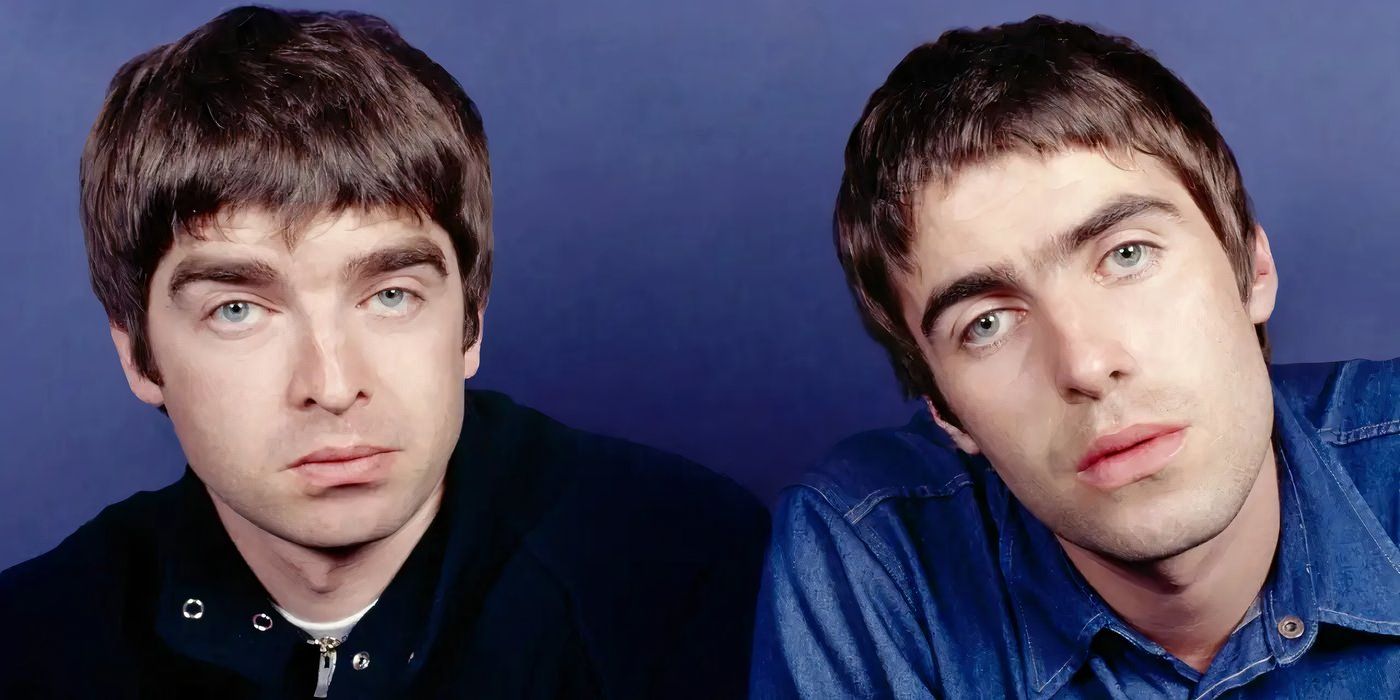
The rocky relationship between brothers Liam and Noel Gallagher, members of the iconic British rock band Oasis, has become one of the most notorious family feuds in music history. Spanning three decades, their conflicts have played out online, onstage, and even during interviews, showcasing the deep-seated animosity between the siblings. In a peculiar turn of events, one of their many arguments was transformed into a single titled "Wibbling Rivalry," which, despite the band's internal strife, managed to chart at #52 in the UK.
The Gallagher brothers' disputes have not been limited to verbal exchanges. On several occasions, their disagreements have escalated into physical altercations. These constant arguments placed Oasis in a precarious position, with the band's future hanging in the balance with each passing performance. The tension between Liam and Noel ultimately led to the band's dissolution in 2009. Even after the band's split, the relationship between the brothers remains strained, with no signs of reconciliation on the horizon.
Source: Rolling Stone, Loudwire, Rolling Stone, Saving Country Music




COMMENTS