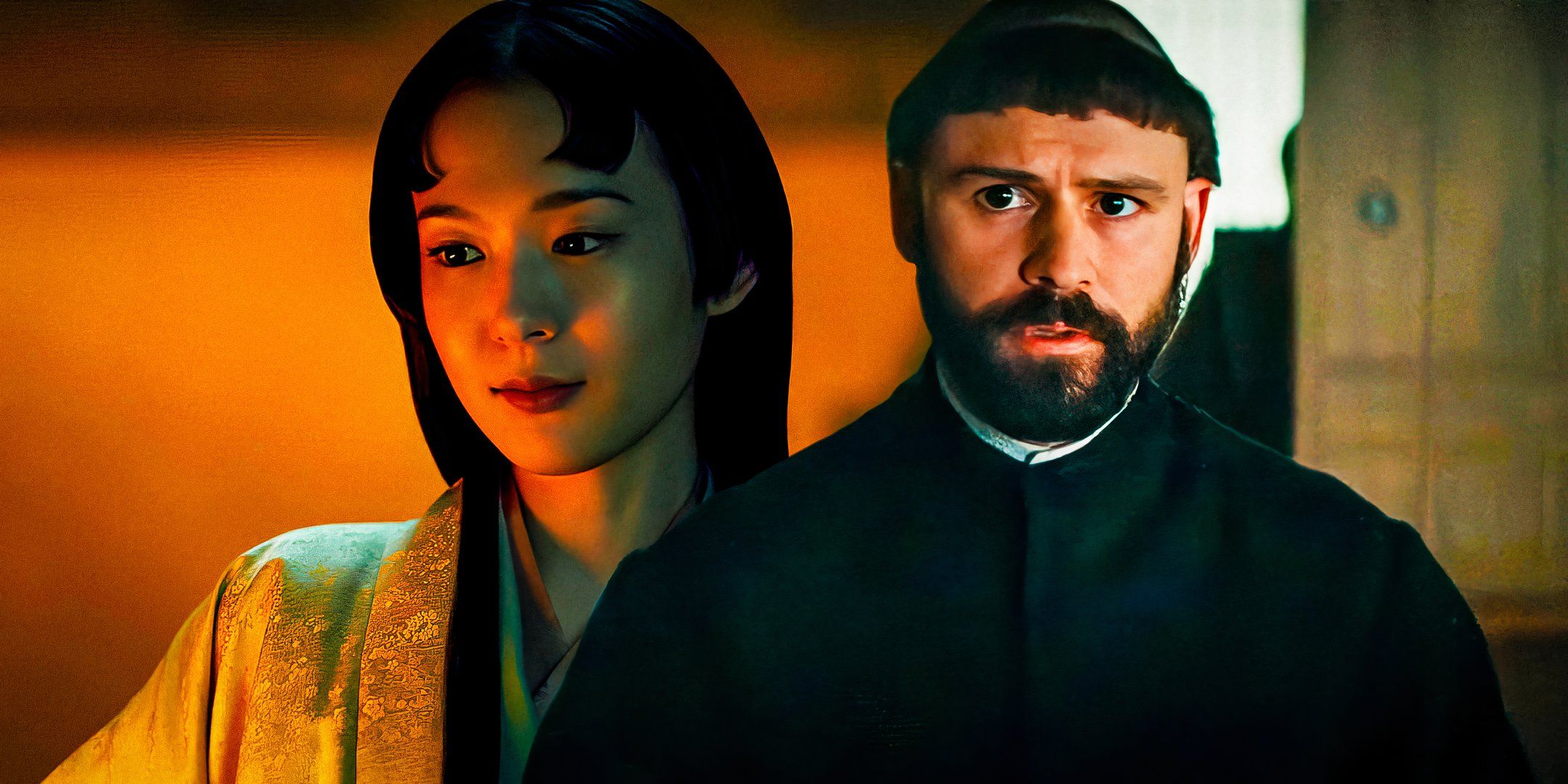
How Shogun's Story Can Continue In Seasons 2 & 3 (Based On Real Life History)
Summary Shogun is renewed for seasons 2 and 3, and can draw from more compelling historical events.
Toranaga's rise to power sets up the establishment of his shogunate and the focus for future seasons.
The Christianity ban and the Siege of Osaka should play key roles in upcoming storylines.
After being announced for at least two additional seasons, Shōgun has a wide range of historical events to pull from. The Hulu/FX series recently revealed that despite the lack of source material, Shōgun is getting renewed for a second and third season, raising all sorts of questions about where the story will go next. Shōgun's first season earned a near-perfect 99% on Rotten Tomatoes, which likely played a major role in the decision to extend the series further. Shōgun season 1 began development back in 2018, giving series creators Justin Marks and Rachel Kondo five solid years of preparation and refinement.
The historical fiction series has the added benefit of pulling from real-life events and the rise of Tokugawa Ieyasu's shogunate, which is the basis of Hiroyuki Sanada's Lord Toranaga's story and character. Shōgun season 2 will not be without its faults, however, and will have the notable disadvantage of being unable to feature some of its best characters, such as Anna Sawai's Mariko, Tadanobu Asano's Yabushige, and Tokuma Nishioka's Hiromatsu. Season 2 could satisfy fans by including the Battle of Sekigahara and the downfall of Lord Ishido which was missing from the finale and would be a great way to start the new season.
Your browser does not support the video tag.
Lord Toranaga's Fate Set Up The Shogunate Focus For Shogun Season 2
Toranaga's rise to power in season 1 laid the foundation for season 2
Close
While Shōgun season 1 focused on Toranaga's cunning strategy and rise to power, season 2 can focus on the establishment of the shogunate in its earliest stages. It will likely primarily focus on the Christianity subplot from season 1, since Christianity was banned by Tokugawa a decade or so after his shogunate was created. This provides a lot of ammunition for the main conflict and the opportunity for some of the less-developed characters, such as Father Martin, to get more involved. Shōgun season 3 will likely focus on the Siege of Osaka, which is the final battle that solidified Tokugawa's insurmountable shogunate in feudal Japan.
The end of Shōgun demonstrated that Toranaga had essentially led Ishido into a trap, which required major sacrifices from some of his most loyal servants, including Mariko and Hiromatsu. Toranaga even lost his son in an episode of Shōgun season 1, but it was also mentioned that he has other sons who should play a significant role in future seasons. If there is a time jump between Shōgun season 1 and 2, it will likely be about 10 to 14 years and will cover the rising threat of Christian mercenaries and the Siege of Osaka, which took place between 1614 and 1615.
Related What The Shogun Cast Is Doing Next Following the celebrated series finale of Shogun, several of its key cast members are already attached to star in future highly anticipated projects.
How Christianity Could Remain A Focus In Shogun Seasons 2 & 3
Toranaga will likely ban Christians from Japan in future seasons
Image via Hulu/FX
The spread and influence of Christianity throughout Japan was a major theme in Shōgun, particularly with Lady Mariko's character. The construction of Edo, or modern-day Tokyo, will also be a key aspect of Shōgun season 2, as the real-life Tokugawa Ieyasu essentially built the small fishing village from the ground up, making it one of the most important cities in the world. In 1614, Tokugawa Ieyasu was highly concerned about the influence of Christian mercenaries from Spain and Portugal and their territorial interests in Japan, signing the Christian Expulsion Edict into effect.
The Christian Expulsion Edict made the practice of Christianity in Japan forbidden and led to the removal of all Christian foreign missionaries. Father Martin could be allowed to remain in a rapidly developing Edo throughout the first decade of the 17th century in future episodes of Shōgun. However, Toranaga's rising suspicions of his intentions, as revealed to him in season 1 by John Blackthorne, could paint Father Martin as an enemy of the shogunate. Blackthorne is sure to be a part of Shõgun season 2, since the real-life inspiration for his character, William Adams, stayed in Japan for the rest of his life.
Related Shogun Was The Best Miniseries I've Seen In 5 Years Outstanding miniseries such as Shōgun only come around every so often. Shōgun has already joined the conversation as one of the best of all time.
How Shogun Could Focus On The Siege Of Osaka
The Mother of the Heir Ochiba-no-kata will still fight for power
Image via Hulu/FX
1614 was a pivotal year for Tokugawa Ieyasu (Toranaga), enacting the Christian Expulsion Edict while also thwarting the efforts to overthrow his shogunate by the Taiko's son and the Mother of the Heir (Ochiba-no-kata). Even though Lord Ishido will be out of the picture after the Battle of Sekigahara, Ochiba-no-kata demonstrated that she holds the true power in Osaka and will likely inspire her son, the so-called Heir, to reclaim what was taken from them by Toranaga. This perfectly sets up a recreation of the Siege of Osaka in future seasons of Shōgun, although the series does have somewhat of a time limit considering Tokugawa died in 1616.
Related Anna Sawai’s Breathtaking Performance In Shogun Is A Reminder To Watch Her 2022 Drama With 97% On RT Anna Sawai has become one of the best characters in the highly celebrated series Shōgun but she has also starred in another critically acclaimed show.






COMMENTS