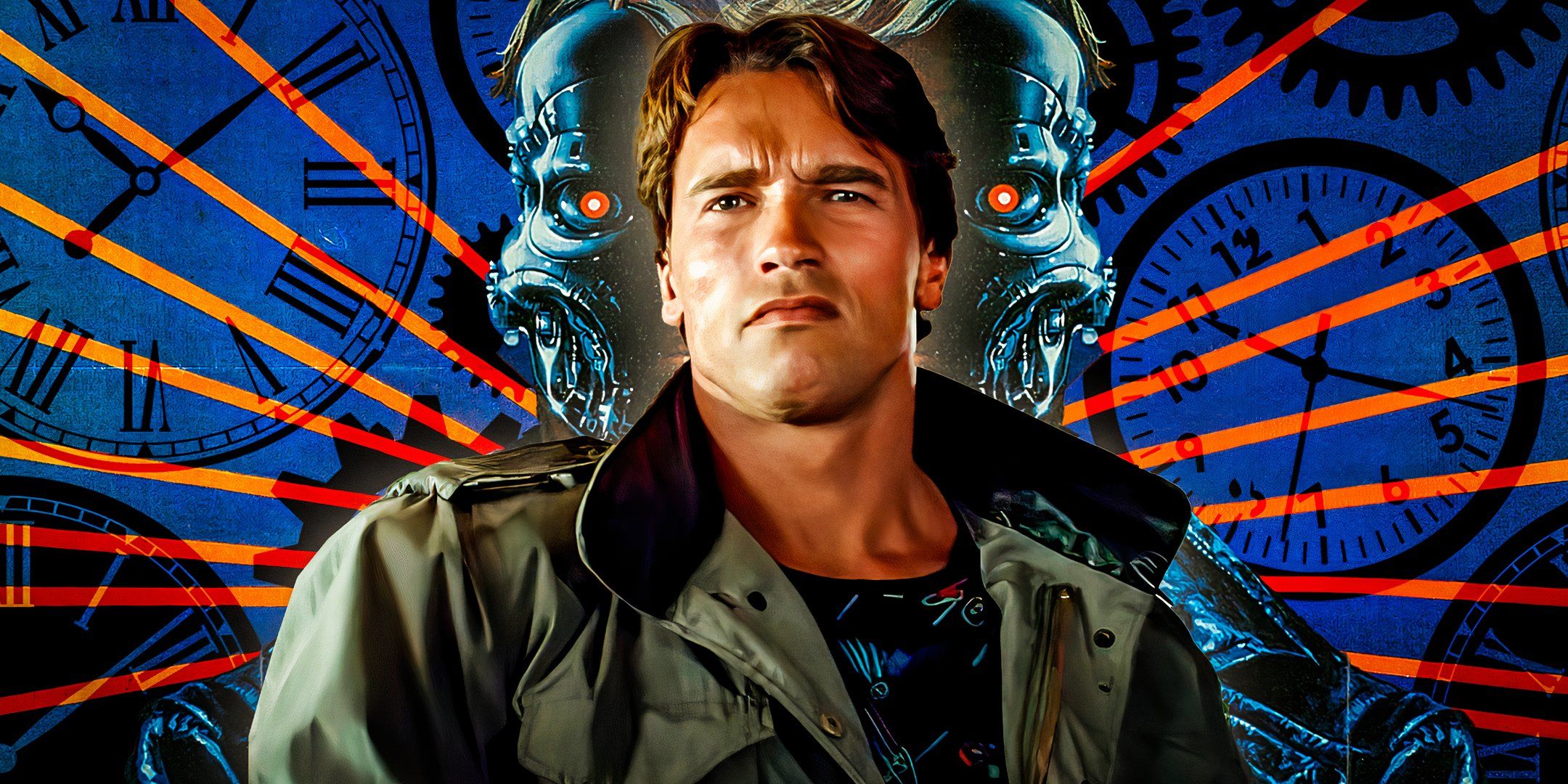
Netflix's Terminator TV Show Will Finally Fix A Glaring Franchise Timeline Gap
Summary Terminator Zero offers a fresh start with new characters and a 1997 setting, filling a crucial gap in the franchise timeline.
The show could explore the original Judgment Day in detail, following the established chronology from the first movie.
Terminator Zero's unique position in 1997 makes it a vital addition to the saga, potentially revealing untold complexities.
The next installment in the Terminator franchise, Netflix's animated series Terminator Zero, is already intriguing by virtue of its format, yet the new show's setting also puts it in a unique position within the wider saga. One of Terminator's defining traits is its convoluted timeline, with seemingly every new entry in the series providing contradictory information, retconning previous stories, and confusing any sense of a single coherent story. While Terminator Zero won't be able to fix all these past problems, its placement in the Terminator chronology does provide an intriguing opportunity.
Unlike earlier cinematic entries in the franchise, Terminator Zero promises to be a blank slate for the saga. According to the official press release accompanying the show's announcement, "the eight-episode series will be part of the Terminator universe but will center around new characters" (via Netflix). This means that the show can avoid complicating the stories of John and Sarah Connor still further. Beyond this setup, however, it is where the show is situated in the Terminator timeline that provides the most interesting opportunities for original storytelling and gap-filling in the broader mythos.
Terminator Zero's 1997 Setting Plugs A Major Gap In The Movie Timeline
Close
Unlike other Terminator projects, Terminator Zero is set to take place in 1997 – a crucial year for the franchise that is yet to be explored in great detail. As a result, the show has the potential to redefine the audience's understanding of what happens at this point in the timeline, with profound implications for the various movies and shows that come later in the narrative. According to Netflix's press release, the series has two key settings:
2022: A future war has raged for decades between the few human survivors and an endless army of machines. 1997: The AI known as Skynet gained self-awareness and began its war against humanity. Caught between the future and this past is a soldier sent back in time to change the fate of humanity. She arrives in 1997 to protect a scientist named Malcolm Lee who works to launch a new AI system designed to compete with Skynet’s impending attack on humanity.
Although the Terminator series has focused on several different points in the 90s, 1997 specifically has been all-but ignored. Terminator 2 took place predominantly in 1995, while The Sarah Connor Chronicles is set in 1999 (although interestingly, the show retcons Terminator 2 to have taken place in 1997). Other entries in the series all take place in the future, meaning that – given The Sarah Connor Chronicles' timeline retcon is not widely regarded as canon – Terminator Zero will be the first franchise entry to explore what happens in 1997.
Why 1997 Is So Important In The Terminator Franchise
Custom image by Yailin Chacon
Unlike other points in the Terminator timeline, 1997 marks a seminal moment. According to the original movies, this is the year when Skynet was supposed to gain autonomy and launch its devastating attack on humanity. Although movies like Terminator 2 and Terminator 3 explored how this moment was averted, 1997 has nonetheless remained a seminal marker in the overall Terminator chronology.
While it's unclear whether Terminator Zero's new characters and stories will connect to what's come before, the show's setting already makes it vitally important for the rest of the franchise.
The fact that Terminator Zero will explore the events of 1997 with an entirely new cast of characters reveals some interesting things about its story. On one level, it suggests that, whatever the actions of John and Sarah Connor, the year remains an important moment in humanity's history. It also indicates that the events around Judgment Day were always more complicated than what was portrayed in the movies, where one intervention could change everything. While it's unclear whether Terminator Zero's new characters and stories will connect to what's come before, the show's setting already makes it vitally important for the rest of the franchise.
Related Terminator: Dark Fate’s NEW Future Timeline Changes Explained Terminator: Dark Fate initiates a new apocalyptic timeline - with a new AI, Legion, and even its own version of Judgment Day.
Could Terminator Zero Actually Show Judgment Day?
Because of Terminator Zero's setting at the original moment when Judgment Day was supposed to take place, there's a high likelihood that the show will explore the events of the apocalyptic attack in greater detail than ever before. Although Terminator 3 provided a brief glimpse into how the day unfolded, no Terminator project has really shown what happened on Judgment Day in real detail. The fact that Terminator Zero is set at the correct point in the original Terminator timeline suggests that the show could break new ground by revealing how the day really unfolded.
The show's premise also suggests that, unlike the retconned Judgment Day seen in Terminator 3, Terminator Zero will follow the chronology established in the first movie. The juxtaposition between 2022 and 1997 identified in the press release indicates that whatever future is portrayed in the show will follow from the original 1997 Judgment Day date as identified in The Terminator. Although the unidentified "soldier" seems to be sent on a mission to change this fate, the fact that the majority of the action will take place in 1997 provides the best chance yet for audiences to see how Judgment Day unfolded in the original Terminator timeline.




COMMENTS