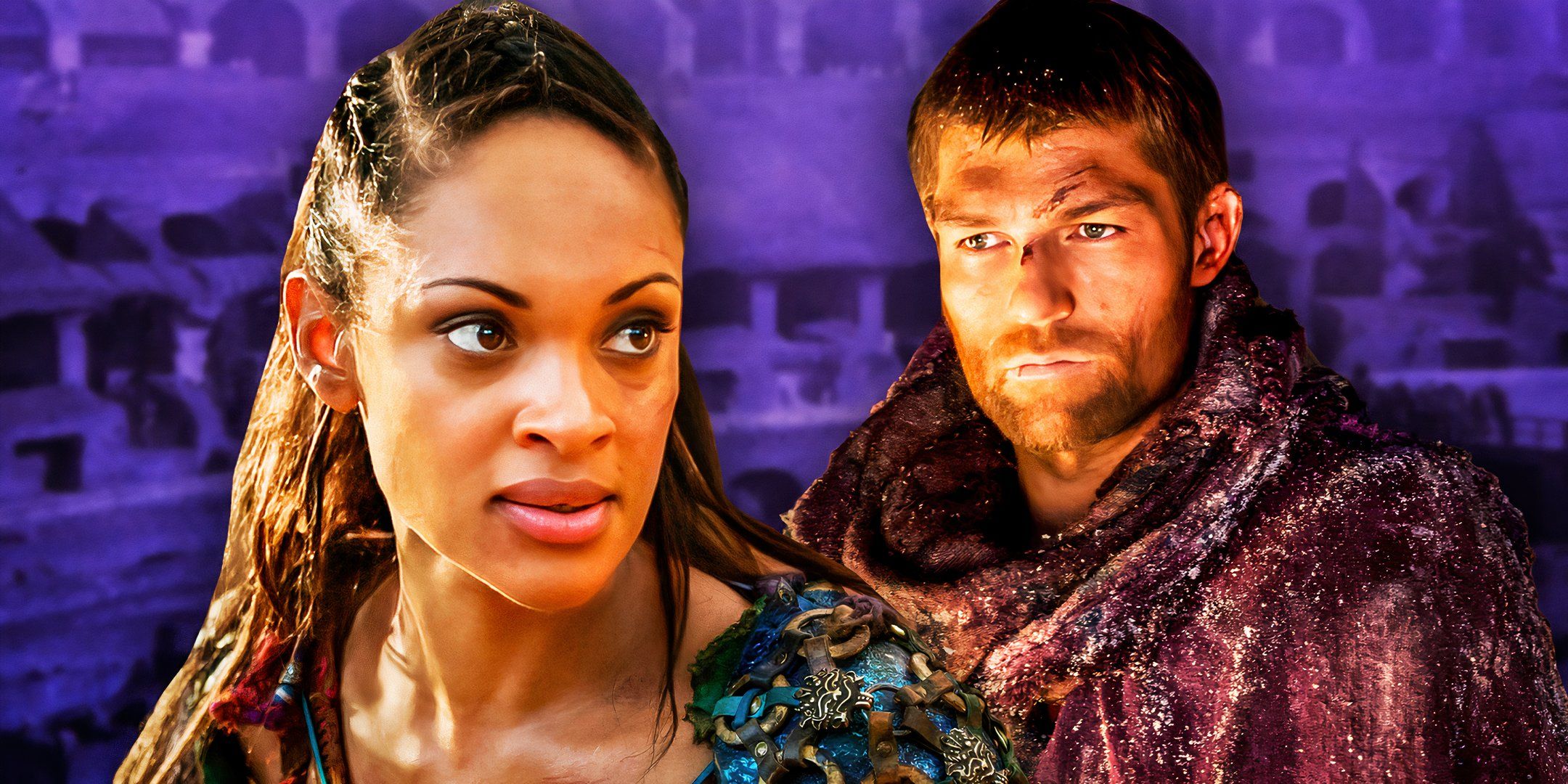
All 4 Spartacus Seasons, Ranked Worst To Best
Summary Spartacus series seamlessly blends intense action with historical storytelling, exploring power and freedom themes in ancient Rome.
Vengeance struggles to maintain initial intensity due to recasting but later seasons, like War of the Damned, offer compelling character development.
Prequel mini-series, Gods of the Arena, enhances characters' backstory, adding depth to Spartacus series and setting new standards in storytelling.
While not all seasons of Spartacus were the best, each delivered intense action that never failed to captivate. Set in ancient Rome, the series follows the journey of Spartacus, a Thracian gladiator who becomes the leader of a slave uprising against the mighty Roman Republic. Throughout its four seasons, Spartacus masterfully blends historical elements with dramatic storytelling, creating a compelling narrative that explores themes of power and freedom. As the series progresses, it focuses on the complex relationships between the characters, both within the gladiatorial ludus and among the Roman elite.
Each season of Spartacus brings new challenges and alliances, constantly shifting the dynamics of the narrative and maintaining a high level of engagement. From the brutal gladiatorial combat in the arena to the political machinations of the Roman Senate, the series offers a thrilling and immersive experience and displays the lengths people will go to in their pursuit of justice and freedom. While there are many TV shows and films about gladiators, Spartacus’s ability to balance intense action sequences with emotionally charged character development is a testament to its exceptional writing and direction.
While the quality of the seasons may vary, with some standing out as clear high points in the series, the impact of Spartacus on television history is undeniable. The series has set a new standard for historical dramas and showcases the potential for compelling storytelling within the confines of a bygone era. From the unforgettable performances of its cast to the stunning visual effects that bring ancient Rome to life, Spartacus deserves its place as a groundbreaking and captivating series.
4 Spartacus: Vengeance
Season 2
Close
The second season of the Spartacus series, Vengeance, picks up the story immediately following the bloody rebellion led by Spartacus and his fellow gladiators against their master, Batiatus. As the newly liberated warriors navigate the challenges of freedom and the ever-present threat of Roman retaliation, the season delves into themes of revenge, loyalty, and the price of independence. However, despite its compelling premise, Vengeance struggles to maintain the same level of intensity, cohesion, and emotional resonance that made its predecessor, Blood and Sand, such a standout.
One of the most significant factors contributing to the season's shortcomings is the recasting of the titular character. Andy Whitfield, who portrayed Spartacus in the first season, was forced to depart from the series due to a cancer diagnosis, and Liam McIntyre was chosen to fill the role. While McIntyre delivers a commendable performance, bringing a sense of determination and leadership to the character, the transition is not entirely seamless. The chemistry between the characters, which was a hallmark of the previous season, feels somewhat disjointed as the cast adjusts to the new dynamic.
Despite these challenges, Vengeance manages to deliver some compelling storylines and character arcs. The power vacuum left by Batiatus' death and the shifting alliances among the Roman elite provide an engaging backdrop for the season, showcasing the political machinations and personal vendettas that shape the conflict. The introduction of new characters, such as Praetor Gaius Claudius Glaber, adds depth to the narrative and raises the stakes for Spartacus and his followers. Additionally, the development of supporting characters, particularly Crixus and Gannicus, allows for a more nuanced exploration of the bonds forged through shared adversity and the weight of leadership.
Visually, Vengeance maintains the stylized aesthetic that has become a trademark of the Spartacus series. The bloody, slow-motion action sequences and the richly detailed sets and costumes continue to detail the gritty world of ancient Rome. However, the season occasionally struggles to balance its graphic violence and sexual content with meaningful character development and plot progression. While it may rank lower than other seasons, Vengeance nonetheless lays the groundwork for the events to come and sets the stage for the epic conclusion of Spartacus' journey.
3 Spartacus: War of The Damned
Season 3
Close
Spartacus season 3, War of the Damned, sees Spartacus leading a massive slave uprising against the formidable forces of the Roman Republic. The third and final season of the series, the rebels face their most challenging adversaries yet in the form of Marcus Crassus and a young Julius Caesar, portrayed by Simon Merrells and Todd Lasance, respectively. The season's narrative focuses on the strategic and emotional complexities of this epic battle, with Spartacus and his followers fighting not only for their freedom but also for their very survival.
One of the strengths of War of the Damned lies in its well-crafted antagonists. Unlike previous seasons, where the villains were often one-dimensional and easily despised, Crassus and Caesar are portrayed as formidable opponents who command a certain level of respect. Their characters are nuanced, recognizing Spartacus and his men as skilled warriors rather than merely dismissing them as rebellious slaves. This dynamic adds depth to the conflict and raises the stakes, as the rebels face adversaries who are not only powerful, but also strategically astute.
As the series reaches its climax, the performances of the main cast members reach new heights. Liam McIntyre delivers a powerful and emotionally charged portrayal, particularly in the final episodes. His interactions with key characters, such as his heartfelt parting with Crixus and his poignant final moments, showcase McIntyre's ability to capture the essence of the character and the weight of his journey. Similarly, the supporting cast, especially Manu Bennett as Crixus, deliver some of the most emotionally wrenching scenes in the series.
Related Spartacus Revived At Starz With Original Showrunner 10 years after it ended, the bloodthirsty historical drama Spartacus gets revived at Starz with original showrunner Steven S. DeKnight.
2 Spartacus: Gods Of The Arena
Prequel Mini Series
Close
Gods of the Arena is the six-episode Spartacus miniseries that takes viewers on a historically accurate journey into the history of the House of Batiatus before the arrival of Spartacus. This prequel focuses on the lives of key characters, providing a rich backstory that enhances the overall narrative of the Spartacus series. Through unforgettable episodes such as "Past Transgressions," "Reckoning," and "The Bitter End," the miniseries explores the complex relationships, power struggles, and personal tragedies that shaped the ludus and its inhabitants.
The most significant aspect of Gods of the Arena is the depth it adds to the characters introduced in the first season. By exploring their pasts and the events that molded them, the miniseries provides a new layer of understanding and complexity to their actions and motivations. This character development not only enriches the viewing experience of the prequel, but also casts a new light on the subsequent seasons, making them even more engaging and emotionally resonant. The added depth to characters like Batiatus, Lucretia, and Crixus heightens the impact of their story arcs throughout the series.
Gods of the Arena also stands out for its action-packed plot and the introduction of memorable characters. Gannicus, portrayed by Dustin Clare, quickly becomes a fan favorite with his charismatic presence and impressive fighting skills. The season's relentless pace is full of shocking twists and turns that showcase the brutal world of the gladiators. From the tragic death of Gaia at the hands of Tullius to the shocking poisoning of Titus by Lucretia, Gods of the Arena delivers a series of moments that make this prequel a memorable entry in the series.
1 Spartacus: Blood And Sand
Season 1
Close
Spartacus season 1, aptly titled Blood and Sand, sets the stage for an epic tale of sacrifice and survival. As Spartacus finds himself condemned to the brutal world of the gladiatorial arena, the season explores the depths of human resilience that refuses to be broken. Through a masterful blend of realism, compelling characters, and emotionally charged storytelling, Blood and Sand establishes itself as the pinnacle of the series, surpassing the seasons that follow in terms of narrative strength and emotional resonance.
What sets Blood and Sand apart is its focus on Spartacus' early life and the events that shaped him into the legendary figure who would later lead the slave uprising against the mighty Roman Empire. By exploring his origins and the personal tragedies that fuel his determination, the season creates a deep and lasting connection between the audience and the protagonist. Andy Whitfield's portrayal of Spartacus breathes life into the character, making his struggles, triumphs, and losses feel palpable and profoundly affecting.
Beyond the central character, Blood and Sand has incredible supporting characters whose stories intertwine with Spartacus' journey. From the cunning and manipulative Batiatus and Lucretia to the fierce and loyal gladiators like Crixus and Varro, each character is given depth and complexity, their motivations and conflicts adding to the overall narrative. The relationships forged and tested within the ludus serve as the emotional core of the season, creating a sense of camaraderie and shared purpose that elevates the impact of the story.
As the season progresses, Blood and Sand transforms from a graphic and violent spectacle into a poignant and deeply moving tale of love, loss, and the powerful thirst for revenge. The show's ability to balance intense action sequences with moments of profound depth speaks to its exceptional writing and direction. The final episodes of the season deliver a powerful and cathartic conclusion, setting the stage for the events to come. While subsequent seasons of Spartacus may have their own merits, Blood and Sand remains the undisputed high point of the series, a shining example of television at its most engaging.




COMMENTS