Original Power Rangers Manga Collection That Inspired The Franchise Is A Must-Have For Fans
Summary Explore the origins of the Power Rangers phenomenon with Ishinomori's classic superhero manga series.
Ishinomori's work laid the foundation for the iconic Power Rangers franchise we know today.
Discover the thrilling and educational elements of the Super Sentai series that continue to captivate fans.
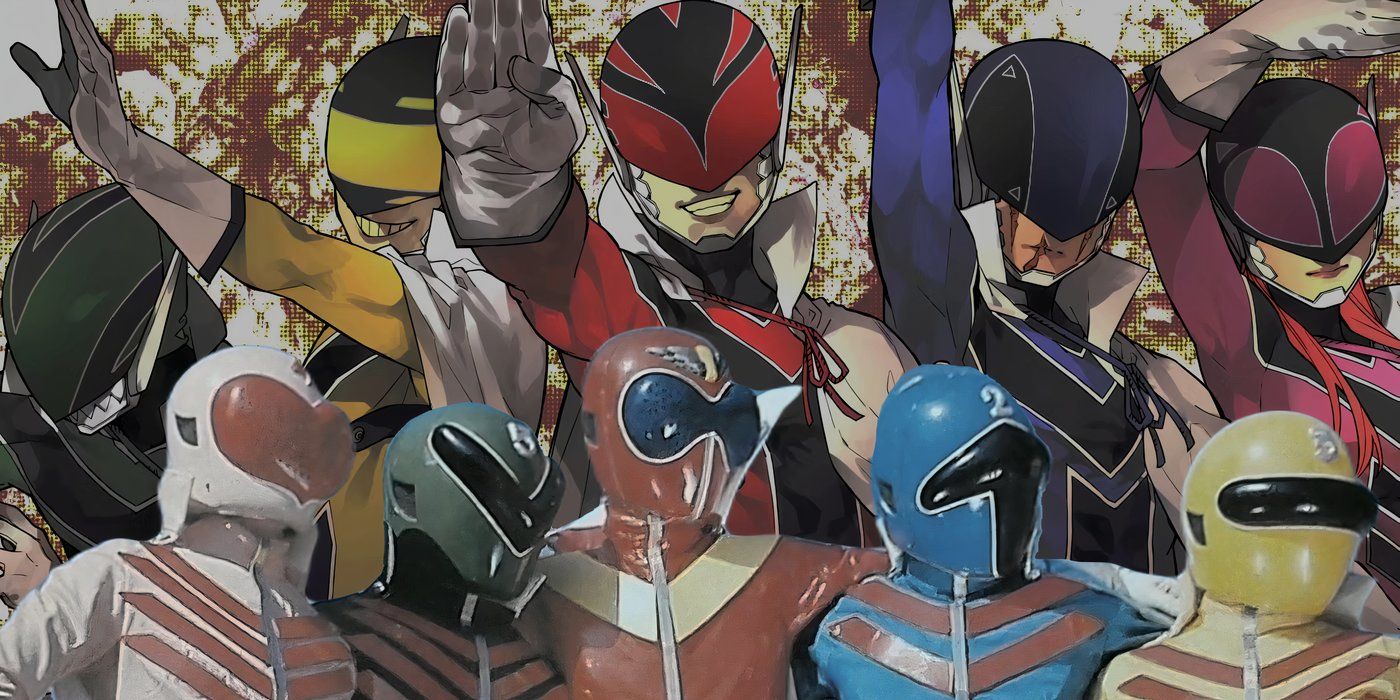
The world loves the Power Rangers, and that love has existed for a long time. Whether it's the heroic Mighty Morphin' version, the evil Loser Ranger type, or the cute and cuddly Miniforce X version, super-powered quintets have been a common sight in superhero manga and anime across the globe. None of this would have been possible without the creative genius of Shotaro Ishinomori - the person who brought the first-ever Power Rangers team to life. For fans interested in the origins of the Power Ranger phenomenon, the complete collection of Ishinomori's original series is essential reading.
While Shotaro Ishinomori might not be a household name to manga and anime fans, he certainly should be. Breaking into the manga industry in the 1950s as the assistant to the legendary Osamu Tezuka, he was not only present at the creation of the contemporary manga - and later anime - scene but also one of the people who helped bring it about through his work on, among other projects, Astro Boy. After nearly six years under Tezuka's wing, Ishinomori decided to branch out on his own with Cyborg 009, one of the first superhero-themed manga to be published in Japan.
The success of the series led Ishinomori, a few years later, to come up with the iconic Kamen Rider series, which combined elements of the superhero tales of Cyborg 009 with the monster tokusatsu stories that were popular at the time. The success of Kamen Rider led Ishinomori to an alternate tokusatsu genre based on the idea of a team of normal individuals who can transform into super-powered heroes via a special hand signal, physical action, or pose. So his iconic Himitsu Sentai Gorenja or Secret Squadron Gorenger was born - the precursor of the present-day Power Rangers.
Tokusatsu refers to a live active movie and television entertainment genre originating in Japan that features giant monsters, robots, or superheroes made more thrilling with special effects, elaborate costumes, and intense fighting scenes.
Related Japan Manga Initiative Highlights Huge Difference With American Comics The Tokiwa-so Project for young manga artists in Japan seeks to recreate the creative environment that powered the birth of the modern manga era.
Secret Squadron Gorenger Is the Source for All Power Ranger Lore
Ishinomori's Manga Is the Forefather of the Franchise
Close
The original Secret Squadron Gorenger manga series, which was published in Shogakukan's Weekly Shōnen Sunday as a companion to the Toei Company's television production by the same name, ran from 1975 to 1977. At about the same time, Ishinomori also published a separate Secret Squadron Gorenger series in Shogaku Gonensei. While the first series basically retold the television series story in manga format, the second series focused on the team's spy, intelligence, and covert abilities.
Taken together, the series give an interesting origin arc that thoroughly explains the purpose, meaning, and goals of the Gorenger, as well as provides a ready-made basis for future iterations of the Power Ranger character. In 2021, the American-based manga publisher Seven Seas Entertainment published SUPER SENTAI: Himitsu Sentai Gorenger – The Classic Manga Collection. It compiles both of Ishinomori's original Secret Squadron Gorenger series under one cover. It serves as the essential key to comprehending the Power Ranger mythos and mythology.
Ishinomori's Gorenger's Is the Ultimate Superhero Story Model
The Power Ranger character was not something that Ishinomori came up with organically. Rather, it was a response to the popularity of monster shows like Godzilla, and shows like his Kamen Rider which combined monsters on a smaller scale with superhero action. Ishinomori wanted to give fans a third option, namely a team of masked superheroes who are tasked with keeping the world safe from powerful evil forces who have designs on global conquest. The idea taps into Ishinomori's original preference for superhero stories but expands the scope of his ambition by making it a team.
Additionally, it allowed for the plot to be flexible in incorporating monsters, robots, typical human supervillains, conflicts within the team, and any other story ideas that could capture the public's interest, all seen through the lens of the superhero group. This is best illustrated by the differences between the two original manga series. The Weekly Shōnen Sunday series was - like the television series - more focused on the team coming together to fight the evil Black Cross Army. Accordingly, there's an emphasis on what fans have come to expect from a Power Rangers series - namely, fighting and the use of specialized high-tech weaponry.
However, in the Shogaku Gonensei series, fans are treated to a side of the Powers Rangers rarely seen in today's iterations. Rather than fighting, this series shows the team largely working without their uniforms and high-tech gadgetry as they figure out ways to infiltrate evil organizations to gain valuable intelligence and perform reconnaissance on suspected villains or suspect operations. It's the quiet - but no less important - side of their operations, but it is still interesting. It also conveys the flexibility in storytelling that Ishinomori's Gorenger model offers creators.
Ishinomori's Super Sentai Is Both Thrilling and Educational
Naturally, the volume also includes all the tell-tale Power Ranger attributes that were then cutting-edge and now have become iconic elements of the Power Ranger phenomenon, such as the different battle suits for team members, which as revealed in the volume Ishinomori wanted to keep as simple as possible while emphasizing the wearer's individuality. In the manga, this was accomplished using different designs and visor shapes, while in the television show, color coding was added. This made it possible for fans to easily identify their favorite member.
There is also the reason why the Red Ranger is normally the squad's leader, because the first person recruited into the squad, Tsuyoshi Kaijou, wore the red uniform. He was chosen by his father, who was the director of the local Earth Guard League (EAGLE) - the organization organized to stop the Black Cross Army. His father was killed soon after he informed his son of his acceptance into EAGLE, which meant Tsuyoshi - the Red Ranger took over his father's leadership aura. Outside the story, the volume is filled with other tidbits of information and images that will help deepen the understanding and enjoyment of whatever incarnation of the Power Rangers they enjoy.
SUPER SENTAI: Himitsu Sentai Gorenger – The Classic Manga Collection is now available from Seven Seas Entertainment.




COMMENTS