South Park: The End of Obesity Proved Cartman’s Character Change Can’t Last
WARNING! This article contains SPOILERS for South Park: The End of Obesity
Summary The End of Obesity proves Cartman remains a reliable antihero in South Park despite temporary character growth.
South Park has evolved from gross-out humor to political satire, shifting its focus on social commentary.
Cartman's weight loss storyline in The End of Obesity emphasizes that he would act the exact same if he weren't overweight.
Although it briefly seemed as though Cartman was starting to change, South Park: The End of Obesity proved the show’s antihero remains as reliable as ever. South Park has changed a lot since the series began and so have the show’s heroes. When the raucous cartoon comedy began airing in 1997, South Park was defined by gross-out jokes and shock humor. The series was filled with gore and obscenity but didn’t have much to say in terms of social commentary. As South Park season 27’s release date nears, the reputation the series has earned could not be more different.
Although the show is still immature and R-rated, South Park has become much more focused on political and social commentary since season 4. After the show’s creators realized that its 5-day turnaround time facilitated timely political satire, South Park’s stories became less interested in random irreverence and more shaped by current events. This is epitomized in South Park’s election episodes, which went from mocking the entire concept of electoral politics in 2000 to spoofing specific candidates in 2016. South Park’s latest feature-length special, The End of Obesity, continued this approach with a storyline ripped from the headlines.
South Park: The End of Obesity Reversed Cartman’s Character Growth
Cartman Was His Most Obnoxious Self In 2024’s First Special
Close
As far as Cartman could see, the only benefit of losing weight would be a newfound ability to insult other people without them having an easy response to his taunts.
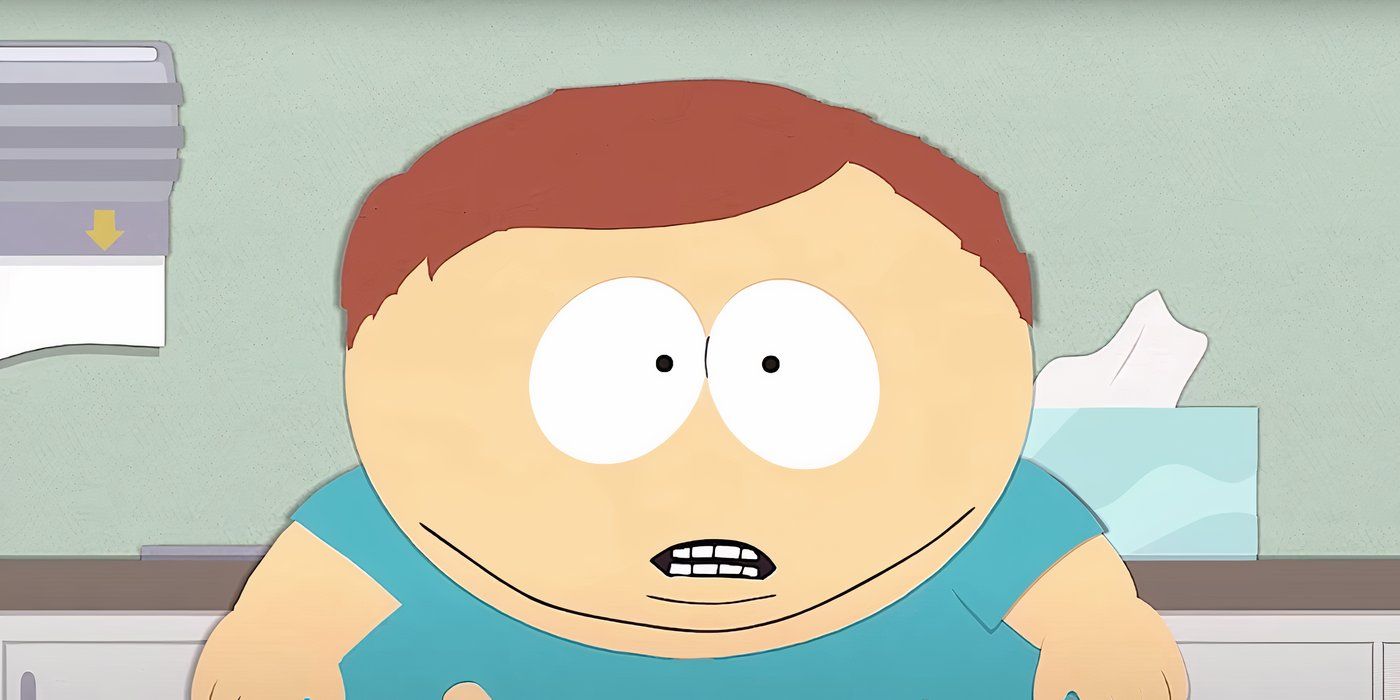
In South Park: The End of Obesity, Cartman’s doctor informed him and his mother that semaglutides could end Cartman’s obesity. Cartman was thrilled by this prospect not for any health reasons, but because it would allow him to insult Kyle, Wendy, and the entire nation of Pakistan without fear of reprisal. As far as Cartman could see, the only benefit of losing weight would be a newfound ability to insult other people without them having an easy response to his taunts. Despite what recent seasons implied, Cartman’s comically unpleasant attitude in the special proves that his character shift was short-lived.
Before South Park: The End of Obesity revived Cartman’s mean streak, the series had a successful run of experimenting with a less villainous version of Cartman. Granted, Cartman was still an antihero throughout seasons 26 and 2023’s specials, Joining the Panderverse and Not Suitable For Children. However, he had redemptive moments in each of these outings. In Not Suitable For Children, he went out of his way to include Clyde in his exclusive club. In Joining the Panderverse, he joined forces with Kathleen Kennedy despite their differences, so they could ensure that the malfunctioning multiverse was restored to normality.
South Park: The End of Obesity Retired One Unpleasant Gag
The Show Vowed Not To Mock People’s Weight Anymore
Kyle promised not to make fun of anyone’s weight anymore and the town agreed, implying South Park as a series will follow suit.
In season 26, Cartman even helped “Cupid Ye” get back on his medication after a breakdown. Cartman seemed to be getting kinder in recent South Park seasons and specials, even if this didn’t equate to outright heroism. This mirrored the story of 2022’s two-part special South Park: Post COVID, where his older self was revealed to be a genuinely decent everyman and loving father. Although South Park: The End of Obesity didn’t turn Cartman into this comparatively sweet character, the special did change one part of the show’s formula. This was a welcome and overdue change for the series.
In the special’s ending, The End of Obesity retired Cartman’s oldest joke when the denizens of the titular town promised not to make fun of people for their weight anymore. Navigating the American healthcare system’s labyrinthine bureaucracy led Kyle to realize that weight wasn’t tied to willpower so much as it was a product of environmental factors, income inequality, education, stress, and lack of affordable, accessible healthcare. As such, Kyle promised not to make fun of anyone’s weight anymore and the town agreed, implying South Park as a series will follow suit. Cartman celebrated this as only he could.
Cartman’s Weight Loss Storyline Made Him South Park’s Perfect Villain
Cartman’s Struggles Contrasted With His Terrible Plans
Cartman immediately began insulting his close friends and classmates once Kyle convinced everyone not to make fun of each other's weight. This reaffirmed that he never had any interest in weight loss for its potential health benefits. Cartman’s wanton cruelty in The End of Obesity was surprisingly clever since it proved that his weight doesn’t make him a villain. For decades, Cartman’s bigger frame has been explicitly and implicitly linked with his laziness, ignorance, bigotry, greed, gluttony, and self-obsession. In The End of Obesity, South Park clarified that Cartman would be as bad, if not worse, if he weren’t overweight.
Since South Park’s Kyle was The End of Obesity’s lead character, Cartman didn’t undergo much growth throughout the special. Kyle began the special hopeful and idealistic, became bitter and burnt out, and eventually grew more empathetic upon discovering the complexities and challenges of weight management. In contrast, Cartman was antagonistic from the first scene onwards, and a kinder version of him wouldn’t have fit this plot. Cartman’s uncomplicated villainy in The End of Obesity allowed South Park to prove that his weight doesn’t make him evil, confirming that he would be just as self-centered and cruel if he were thinner.
How The End of Obesity Sets Up South Park: Season 26’s Cartman
Cartman’s Recent Kindness Seems Unlikely To Return
Close
It would be interesting to see another side of the character, but this special proved that Cartman is still an effective villain when given the right storyline.
Judging by South Park: The End of Obesity, viewers should not expect Cartman’s more understanding self to show up again in season 27. It would be interesting to see another side of the character, but this special proved that Cartman is still an effective villain when given the right storyline. South Park season 27 must fix numerous problems including the show’s repetitive storytelling style, and making Cartman more sympathetic is a good way of subverting audience expectations. Nonetheless, focusing on largely forgotten characters like Kenny or Kyle is an equally effective approach for the upcoming outing.
South Park: The End of Obesity succeeded because the special centered on Kyle’s perspective, and season 27 may repeat this. Season 27 could make Cartman more empathetic, but his laughably nasty role in The End of Obesity proves that he still functions as a stellar villain. Now that South Park has divorced Cartman’s weight from the negative aspects of his character, the series could even bring back his more Machiavellian, outright evil side. This hasn’t been seen since his terrible relationship with Heidi in season 20, but South Park: The End of Obesity proves it still has a home in the series.




COMMENTS